
Tucked away in Vietnam’s remote northeast, the provinces of Ha Giang and Cao Bang are home to some of the most dramatic and untouched landscapes in Southeast Asia. For years, these areas remained off the radar for international tourists, overshadowed by places like Ha Long Bay or Sapa. But as more travelers seek authentic, off-the-beaten-path experiences, Ha Giang Cao Bang attractions are finally gaining the recognition they deserve.
This guide introduces you to the most stunning natural wonders, cultural highlights, and memorable experiences across these two majestic provinces. Whether you’re riding the loop by motorbike or joining a multi-day tour with Strawberry House, this region promises unparalleled scenery and genuine connections with ethnic minority cultures.
The Raw Beauty of Ha Giang
Ha Giang is renowned for its breathtaking landscapes and the iconic Ha Giang Loop. But beyond the roads and passes lies a deeper layer of local life, natural wonders, and cultural richness.
Ma Pi Leng Pass
Often described as the most beautiful mountain pass in Vietnam, Ma Pi Leng is an essential highlight among Ha Giang Cao Bang attractions. The road clings to cliff edges, offering panoramic views of the Nho Que River and the towering limestone peaks. At sunrise or sunset, the entire valley glows with golden light, creating a dreamlike atmosphere for riders and photographers alike.
Lung Cu Flag Tower
Standing at Vietnam’s northernmost point, Lung Cu Flag Tower offers both symbolic and visual appeal. From the top, you can gaze out across the terraced hills and the border with China. It’s more than just a viewpoint — it’s a celebration of Vietnamese heritage and resilience.
Dong Van Old Quarter
A walk through Dong Van’s ancient streets reveals a fusion of Hmong, Tay, and Kinh influences. The stone houses with tiled roofs whisper stories of the past, and the weekend market brings ethnic groups together in colorful displays of fabric, food, and craft.
Du Gia Waterfall and Village
Located off the main loop, Du Gia is a peaceful hamlet surrounded by rice fields and hills. The nearby waterfall is perfect for a midday swim, and the village homestays provide some of the most authentic encounters with ethnic Tay families. For nature lovers, it’s one of the lesser-known yet remarkable Ha Giang Cao Bang attractions.
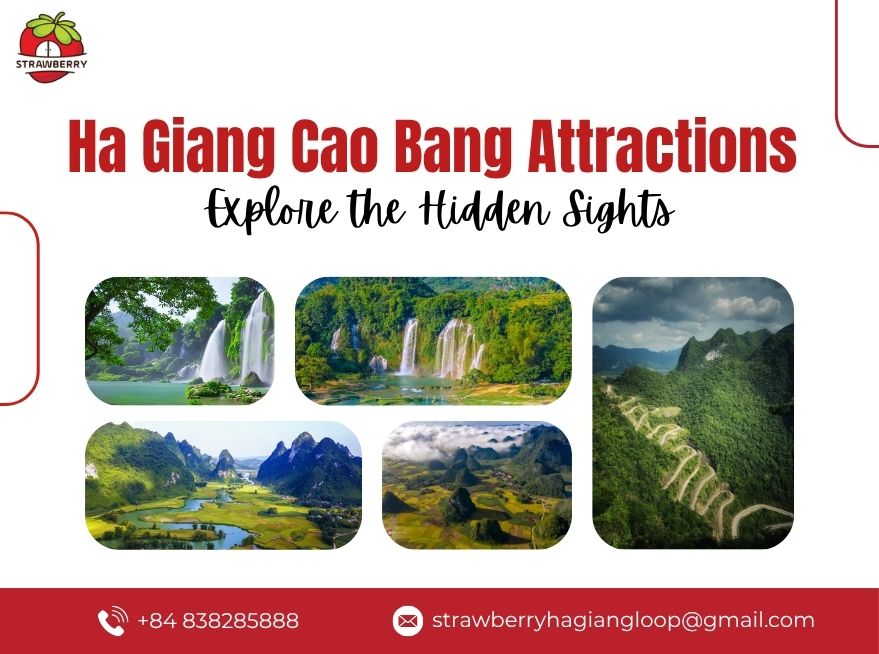
Cao Bang’s Geological Wonders
Cao Bang, a UNESCO Global Geopark, is a land shaped by ancient forces and rich biodiversity. It’s a dreamland of waterfalls, caves, and serene villages.
Ban Gioc Waterfall
Perhaps the most famous of all Ha Giang Cao Bang attractions, Ban Gioc is the largest waterfall in Vietnam and one of the most impressive in Asia. Located right on the border with China, it’s a thundering, multi-tiered cascade surrounded by rice paddies and karst hills. The sound of water crashing into the riverbed below is unforgettable.
Nguom Ngao Cave
Just a few kilometers from Ban Gioc, this spectacular cave stretches over two kilometers underground. Stalactites and stalagmites twist into surreal formations, and the cave remains cool even on the hottest days. Guided tours reveal the geological wonders hidden beneath Cao Bang’s surface.
Phia Thap Incense Village
This peaceful village near Cao Bang City is known for its centuries-old tradition of making incense. Travelers can learn how villagers dye bamboo, roll incense sticks by hand, and prepare them for drying in the sun. It’s a unique cultural experience rooted in craftsmanship and spiritual significance.
Thang Hen Lake
Set against a backdrop of forested hills, this jade-colored lake is often overlooked — but it deserves a spot on any list of Ha Giang Cao Bang attractions. Early in the morning, mist floats above the water, and local fishermen quietly row their boats, painting a picture of tranquility.
Ethnic Diversity and Cultural Experiences
Both provinces are home to more than a dozen ethnic minority groups, including the Hmong, Tay, Dao, Nung, and Lo Lo people. Their traditions, dialects, and colorful dress add an incredible cultural dimension to your travels.
Local markets in Meo Vac, Bao Lac, and Trung Khanh are excellent places to witness the vibrancy of local life. Each market day is not only about trade but also a chance for communities to gather, celebrate, and stay connected.
Many tours, including those from Strawberry House, arrange homestays where you can cook with your host, join in traditional music or dance, and learn how people farm in the highlands. These cultural moments often become the most treasured memories of the journey.
When to Visit for the Best Experience
Ha Giang and Cao Bang offer beauty year-round, but some seasons enhance specific attractions.
-
March to May: Cool and dry, with blooming flowers and clear skies — ideal for drone footage and riding the loop.
-
June to August: Lush greenery and powerful waterfalls like Ban Gioc are at their peak, though afternoon rains are common.
-
September to November: The rice terraces turn golden in harvest season, and weather remains pleasant.
-
December to February: Misty, cold, and more mysterious — less crowded but with reduced visibility on mountain roads.
Many visitors plan their trips to capture seasonal festivals or market days that showcase ethnic culture and traditional dress.
Local Cuisine: Taste the Mountains
One of the most underrated aspects of exploring Ha Giang Cao Bang attractions is the regional food. Influenced by the mountain climate and ethnic diversity, the local cuisine is rustic, hearty, and full of character.
Thang Co
A traditional dish of the Hmong people, Thang Co is a stew made from horse meat, offal, and herbs. While it may challenge some palates, it’s a dish steeped in tradition and often shared at local festivals and markets.
Au Tau Porridge
This medicinal porridge made from a toxic root (carefully detoxified) is popular in Ha Giang. It’s a warm, peppery dish believed to have healing properties — perfect after a long day of exploring the mountains.
Grilled stream fish and smoked pork
In both provinces, locals often serve fish caught from nearby streams or pork that has been naturally smoked over kitchen fires. These dishes are usually accompanied by sticky rice and local greens.
Banh cuon Cao Bang
This version of steamed rice rolls is distinct because it’s served with a flavorful pork bone broth. It’s a must-try breakfast dish and one of the most beloved Cao Bang specialties.
Authentic Tours with Local Insight
While some travelers ride the loop solo, joining a guided tour allows for deeper access to the people and stories behind the landscapes. Strawberry House offers multi-day adventures through Ha Giang and Cao Bang that are designed to showcase both natural beauty and cultural richness.
Tours often include:
-
Professional guides from the region who speak local dialects
-
Visits to remote villages and artisan communities
-
Comfortable homestays with local families
-
Time for photo and drone stops at all major highlights
-
Meals that reflect regional flavors and ingredients
By choosing curated tours, travelers gain more than scenic views — they participate in local life and help support responsible tourism in fragile areas.
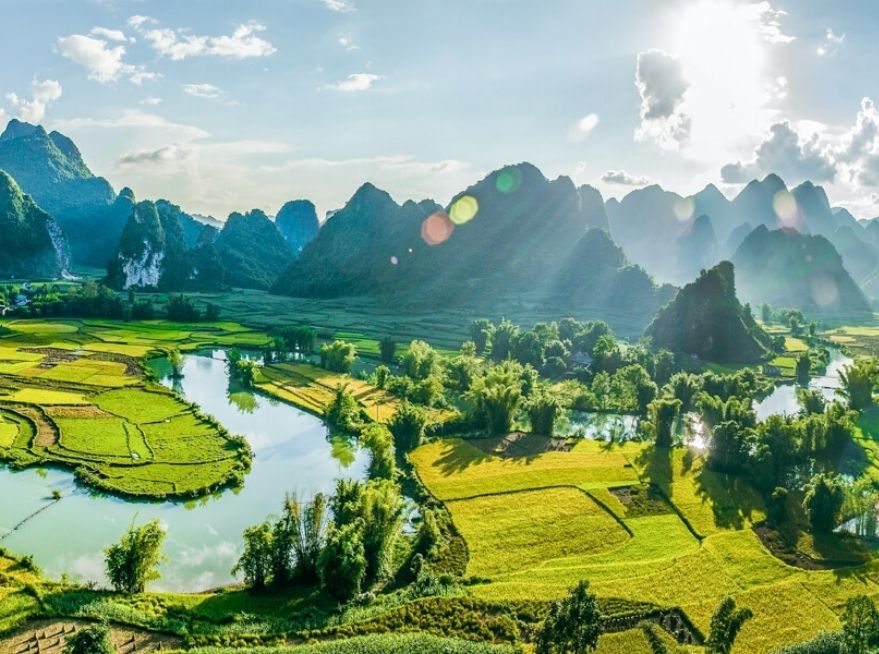
Adventure Meets Tranquility
The unique thing about Ha Giang Cao Bang attractions is how seamlessly adventure blends with serenity. One moment you’re riding along a sheer cliff road with the wind in your face, the next you’re sipping tea with a local elder in a quiet village. The balance of thrill and reflection is what sets this route apart from more commercial destinations in Vietnam.
Environmental Responsibility and Travel Tips
As tourism grows in these provinces, protecting the natural and cultural environments becomes crucial. Travelers are encouraged to:
-
Carry reusable water bottles and limit plastic use
-
Stay on designated paths while hiking or flying drones
-
Ask before photographing locals, especially in remote villages
-
Support local businesses and avoid bargaining too aggressively
Strawberry House partners with local communities to promote responsible travel, ensuring that the beauty of Ha Giang Cao Bang attractions is preserved for future generations.
FAQs about Ha Giang Cao Bang Attractions
What are the must-see Ha Giang Cao Bang attractions for first-time visitors?
Some top highlights include Ma Pi Leng Pass, Ban Gioc Waterfall, Lung Cu Flag Tower, Nguom Ngao Cave, and the old town of Dong Van. These offer a mix of natural beauty, cultural significance, and unique viewpoints.
Is it possible to explore Ha Giang Cao Bang attractions without a motorbike?
Yes. While riding a motorbike is popular, many travelers opt for guided car tours, buses, or private transfers. Strawberry House provides flexible packages for those who prefer not to ride themselves.
When is the best season to visit Ha Giang Cao Bang attractions for photography?
The best months for photography are March–May and September–November, when skies are clear, rice terraces are at their most vibrant, and waterfalls are full. Sunrise and sunset provide the best natural light.
If you’re looking to explore Vietnam beyond its beaches and cities, heading north is the answer. The Ha Giang Cao Bang attractions promise a raw, awe-inspiring travel experience that leaves you humbled by nature and touched by the kindness of the people.
Whether you want winding passes, cultural encounters, waterfalls, or peaceful villages, these provinces have it all. And through Strawberry House, your journey will be not just about sightseeing — but meaningful discovery.
Find out more about Ha Giang Motorbike Rental and book your journey with Strawberry House to uncover Vietnam’s most magical frontier.
STRAWBERRY HOUSE


