
The Ha Giang loop has become one of the most iconic motorbike adventures in Vietnam, attracting travelers who seek untouched beauty and authentic cultural experiences. Unlike mainstream destinations, the Ha Giang loop Vietnam offers something raw and adventurous: winding mountain passes, remote valleys, and ethnic minority villages that preserve traditions dating back centuries.
This circular route is not only about the thrill of motorbiking—it’s also about immersing yourself in landscapes that feel like a different world. Towering limestone peaks, deep canyons, and endless rice terraces make every turn of the road a discovery. Along the way, you’ll meet warm and welcoming locals, many of whom invite travelers into their homes to share meals and stories. Staying in a homestay along the Ha Giang loop is often one of the most memorable parts of the journey.

1. What is the Ha Giang loop? How many kilometers does it cover?
The Ha Giang loop is a circular motorbike route in the northernmost province of Vietnam, covering around 350 kilometers. Starting and ending in Hà Giang City, it takes travelers through towns like Yên Minh, Đồng Văn, and Mèo Vạc. Each section reveals a new landscape—from limestone karsts and winding passes to lush rice fields and peaceful valleys.

Unlike tourist-heavy destinations such as Sapa, the Ha Giang loop Vietnam remains authentic and less commercialized. It is home to more than 20 ethnic minority groups, each with distinct traditions, colorful clothing, and unique festivals. For many travelers, the cultural encounters along the loop are just as rewarding as the natural scenery.
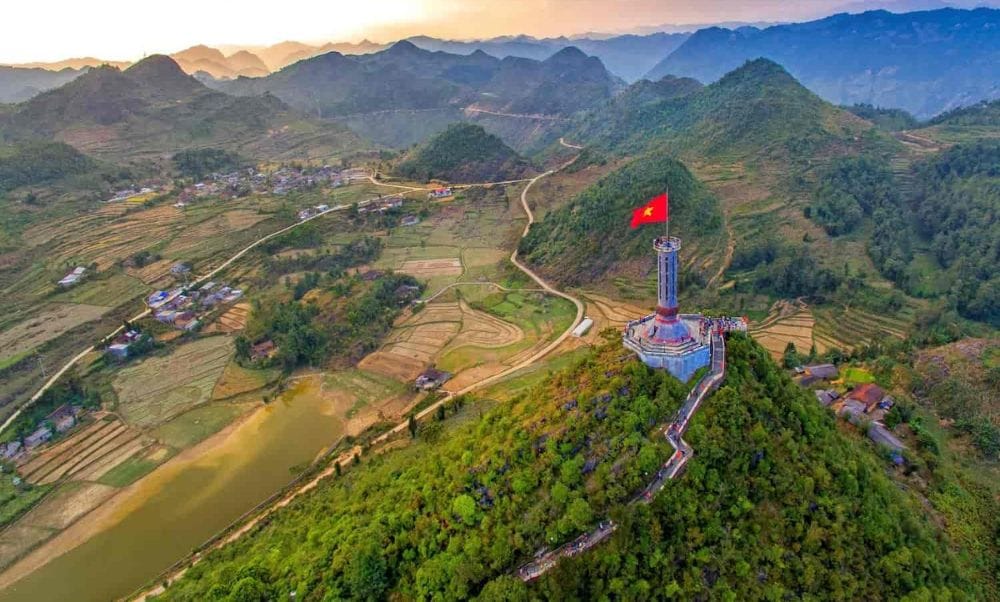
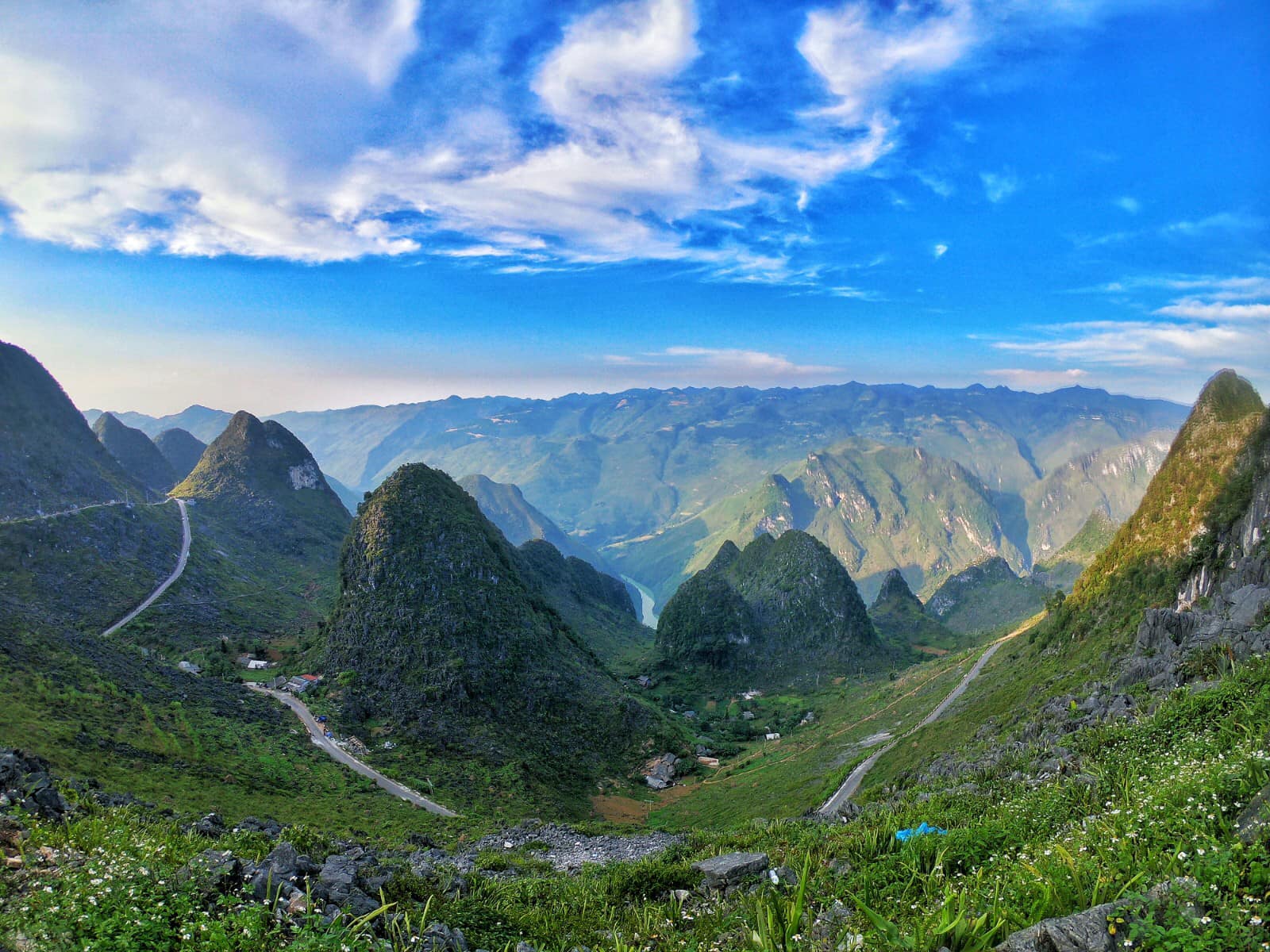
The road itself is a mix of smooth stretches and challenging climbs. Iconic spots include the Lung Cu Flag Tower, marking Vietnam’s northernmost point, and the world-famous Mã Pí Lèng Pass, offering panoramic views of the Nho Quế River. Depending on your itinerary, the loop can be completed in 3 to 5 days, with optional detours that extend the journey up to 400 kilometers.
What makes the Ha Giang loop special is not only the distance but also the experience. It’s a journey where every kilometer feels alive—with stunning vistas, cultural immersion, and the thrill of adventure. Whether you ride yourself or join an “easy rider” tour, the Ha Giang loop promises an unforgettable travel experience.
2. How long does it take to have an adventure along the Ha Giang loop?
The Ha Giang loop can be explored in 3 to 5 days, depending on your schedule and travel style. The most common choice is a 4-day Ha Giang loop itinerary, which allows enough time to visit all the major highlights without rushing.

If you have only 3 days, you can still enjoy the essential stops such as Đồng Văn, Mèo Vạc, and the famous Mã Pí Lèng Pass. However, the rides will be longer each day, and you’ll have less time to relax or explore local culture. A 5-day Ha Giang loop Vietnam trip, on the other hand, offers a slower pace with opportunities to take detours to hidden valleys, waterfalls, and less-visited ethnic villages.
Travelers often choose to ride themselves or hire a local “easy rider” guide who drives the motorbike. Riding on your own gives you flexibility, but joining an easy rider tour allows you to fully enjoy the scenery without worrying about the challenging roads. Either way, every day on the Ha Giang loop is filled with new landscapes and unique cultural encounters.
To make the most of your adventure, plan for 4 days if possible. This itinerary balances exciting rides with enough time to rest, meet locals, and take in the breathtaking beauty of the mountains. No matter how many days you spend, the Ha Giang loop Vietnam is guaranteed to leave you with unforgettable memories.
3. When is the best time to explore the Ha Giang loop Vietnam?
Timing plays an important role in enjoying the Ha Giang loop to the fullest. The best seasons are September to November and March to May, when the weather is comfortable, the skies are clear, and the landscapes are at their most vibrant.
In autumn (September–November), the rice terraces turn golden, making the mountains glow under the sunlight. This is also the time for the Buckwheat Flower Festival, when the hills bloom with delicate pink and purple flowers—a unique highlight of the Ha Giang loop Vietnam.
In spring (March–May), the region bursts with life as peach and plum blossoms cover the valleys. Local festivals take place during this period, giving travelers the chance to experience traditional music, colorful costumes, and authentic cultural practices.
Winter (December–February) can be cold, especially in the high mountains, with misty weather that limits visibility. Summer (June–August) is warmer and lush, but heavy rains may affect road conditions. While it’s still possible to ride during these seasons, they are less ideal compared to spring and autumn.
For the perfect blend of pleasant weather and stunning scenery, plan your trip along the Ha Giang loop in autumn or spring. These months guarantee not only breathtaking landscapes but also authentic cultural experiences that will make your journey truly unforgettable.
4. The top highlights on the scenic Ha Giang loop
One of the main reasons travelers choose the Ha Giang loop is the abundance of breathtaking highlights scattered along the route. Each day on the road brings new surprises, from majestic mountains to vibrant ethnic villages.
The most famous landmark is the Mã Pí Lèng Pass, often called the “king of passes” in Vietnam. This winding road clings to steep cliffs and overlooks the emerald Nho Quế River, creating one of the most dramatic landscapes in Southeast Asia. Riding here is the highlight of the entire Ha Giang loop Vietnam experience.
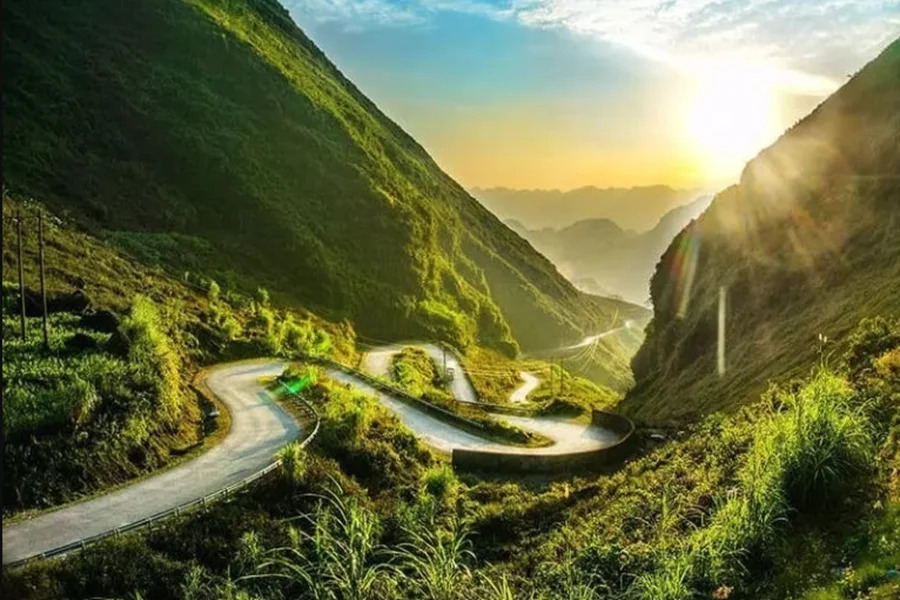
Another must-see is the Đồng Văn Karst Plateau Geopark, a UNESCO World Heritage site known for its unique limestone formations and geological wonders. Alongside its natural beauty, the plateau is home to ethnic minority communities, offering travelers a chance to experience authentic culture.
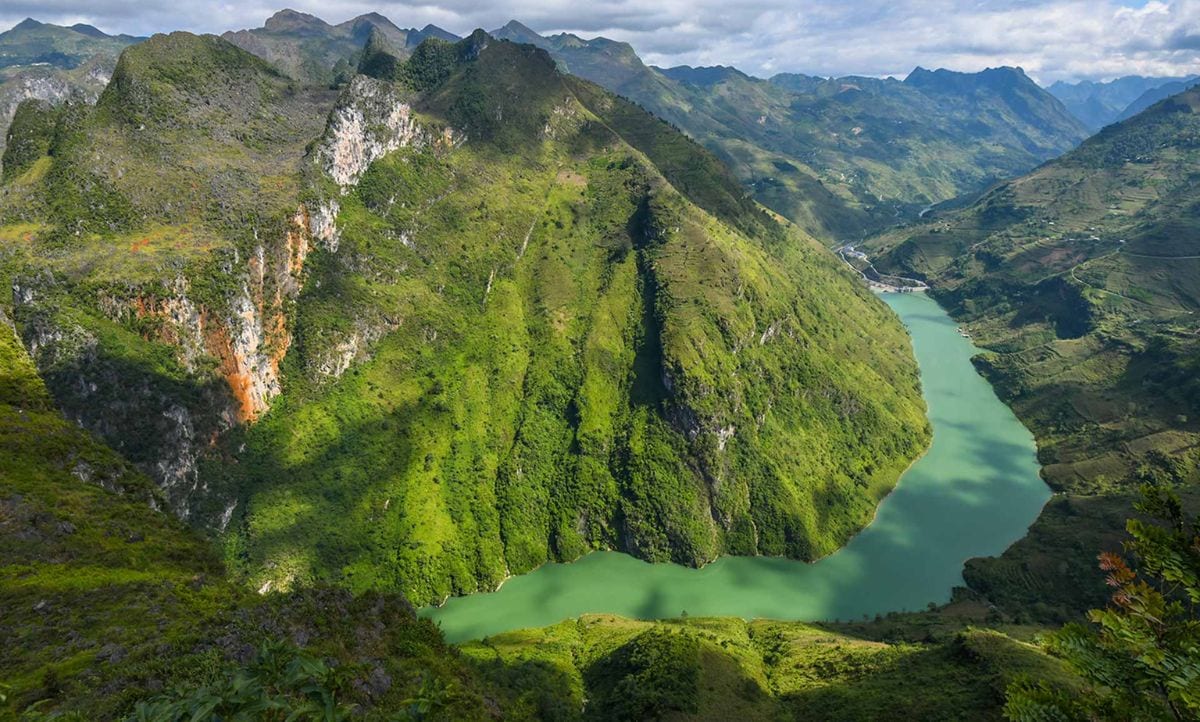
The Lung Cu Flag Tower, standing proudly at Vietnam’s northernmost point, is both a scenic and cultural stop. From the top, you can see across the border into China while learning about Vietnam’s history and pride.
For those seeking peaceful scenery, Du Già Village is a hidden gem. Surrounded by rice terraces, waterfalls, and homestays, it provides a slower pace of life and authentic local hospitality.
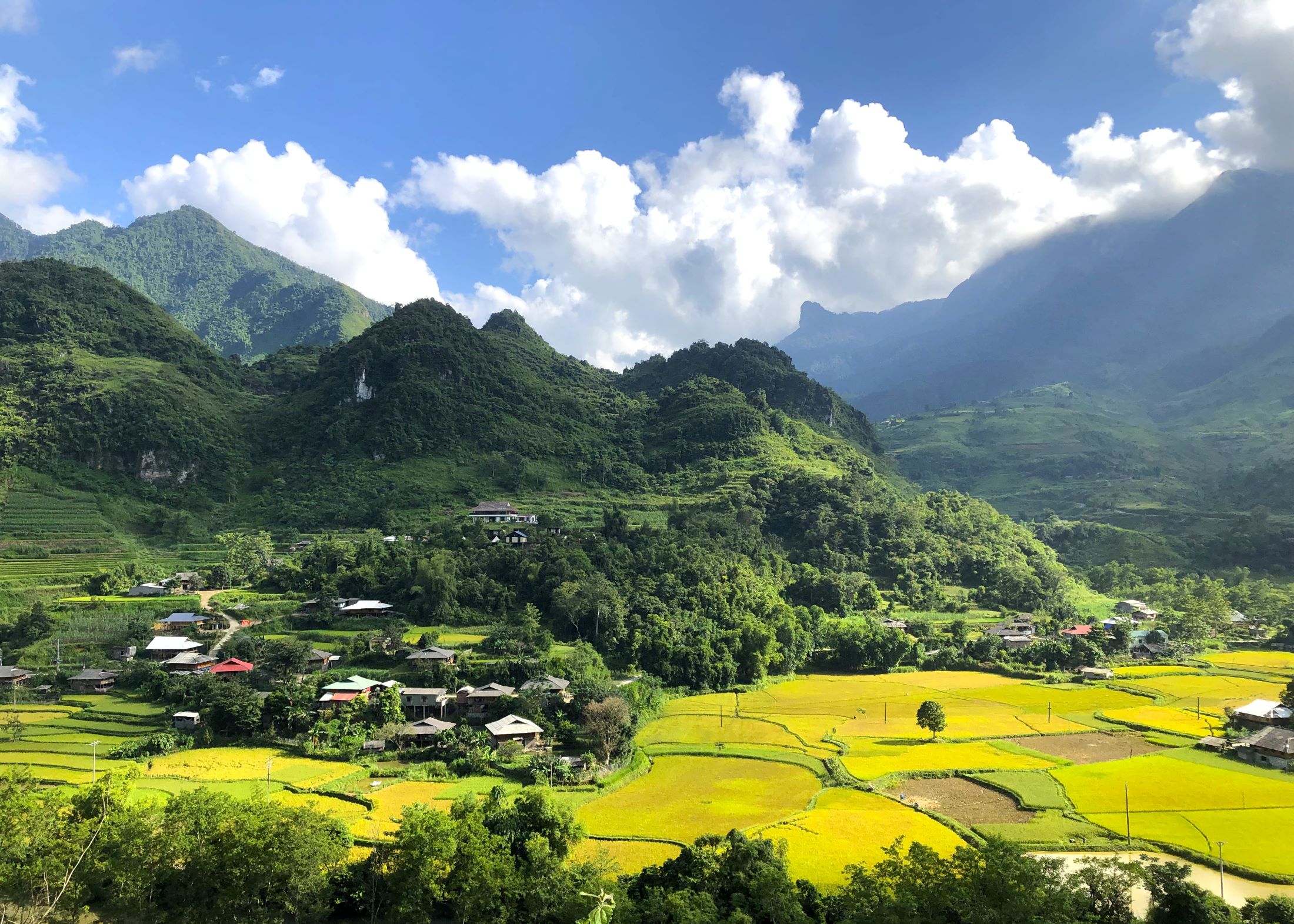
Together, these highlights make the Ha Giang loop much more than a road trip. It’s a journey of discovery where every stop deepens your connection with nature and culture.
5. Ha Giang loop packing list: Motorcycle riding gear and luggage
A successful adventure along the Ha Giang loop requires good preparation. Since the terrain can be challenging and weather unpredictable, packing smartly will ensure safety and comfort.
First and most importantly, bring motorbike riding gear. A proper helmet, gloves, and a protective jacket are essential for safe riding. Comfortable clothes and sturdy shoes will also help you handle long hours on the road. Because weather in Ha Giang can change quickly, always pack a lightweight raincoat or poncho.
Sun protection is equally important. Sunglasses, sunscreen, and a scarf or mask will protect you from dust, sun, and wind while riding the Ha Giang loop Vietnam. A refillable water bottle is also a must to stay hydrated throughout the journey.
For luggage, keep it light and practical. A small backpack or saddlebag works best, with just the essentials: toiletries, a change of clothes, a power bank, and any personal medication. If you’re staying in homestays, you won’t need heavy camping gear as meals and accommodation are usually provided.
Lastly, don’t forget your travel documents, some cash (ATMs are rare in remote villages), and a camera to capture the stunning views along the Ha Giang loop. With the right gear and packing list, you’ll be well-prepared for an unforgettable motorbike adventure in Northern Vietnam.
6. The Ha Giang loop: a four-day road trip
The Ha Giang loop is best experienced over four days, giving travelers the perfect balance between thrilling rides and cultural immersion. This popular itinerary allows you to explore dramatic mountain passes, UNESCO-recognized landscapes, and remote ethnic villages at a comfortable pace. Each day on the loop offers a new perspective—ranging from peaceful valleys and lush rice terraces to jaw-dropping cliffs and breathtaking river gorges.
Day 1: Ha Giang City to Yên Minh
Morning
Your journey on the Ha Giang loop begins in Hà Giang City. After checking your motorbike and gear, head north through the Quản Bạ district. The highlight here is the Heaven’s Gate viewpoint, offering panoramic views of limestone mountains and valleys. Along the way, you’ll pass the famous Twin Mountains, a natural landmark often associated with local legends.
Afternoon
Continue riding through pine forests and winding passes until you reach Yên Minh. This small town is surrounded by terraced fields and rolling hills, making it an ideal first stop on the Ha Giang loop Vietnam. Many travelers choose to stay in local homestays here, enjoying warm hospitality and authentic home-cooked meals.
“The first day on the Ha Giang loop is a gentle introduction, blending scenic roads with cultural encounters.”
Day 2: The Vietnamese Border
Morning
Leaving Yên Minh, the road leads deeper into the mountains. You’ll ride through remote ethnic villages, where locals wear colorful traditional clothing. The scenery becomes more dramatic as you approach the Đồng Văn Karst Plateau, a UNESCO-recognized area on the Ha Giang loop famous for its jagged limestone formations.
Afternoon
By midday, head towards Đồng Văn town, close to the Chinese border. If you have time, visit the Lung Cu Flag Tower, the northernmost point of Vietnam, with sweeping views across the border. In Đồng Văn, the Old Quarter offers charming architecture and local markets that come alive in the evenings.
“On Day 2 of the Ha Giang loop, every turn reveals both breathtaking landscapes and centuries-old traditions.”
Day 3: Đồng Văn and Mã Pí Lèng Passes
Morning
This is often the highlight of the Ha Giang loop. From Đồng Văn, the road winds toward the legendary Mã Pí Lèng Pass. The morning ride offers jaw-dropping views of the Nho Quế River gorge, with towering cliffs and endless horizons. Take time to stop at viewpoints to fully appreciate this natural wonder.
Afternoon
Continue your ride toward Mèo Vạc town, passing through mountain villages and green valleys. The pace here is slower, giving you a chance to rest and connect with local communities. Homestays in Mèo Vạc offer hearty meals and insight into the life of ethnic minority families.
“No journey on the Ha Giang loop is complete without conquering the dramatic Mã Pí Lèng Pass.”
Day 4: Back to Hà Giang City
Morning
Departing Mèo Vạc, the return journey on the Ha Giang loop Vietnam takes you through gentler landscapes compared to the previous days. Rolling hills, farmlands, and small villages line the road, creating a peaceful backdrop for your final ride.
Afternoon
As you approach Hà Giang City, take your time to reflect on the adventure. Many travelers stop for one last local meal or coffee before returning their bikes. Completing the loop is a rewarding experience that combines adrenaline, culture, and natural beauty.
“Finishing the Ha Giang loop is more than completing a road trip—it’s embracing an unforgettable adventure.”
Practical Tips
The Ha Giang loop is an unforgettable adventure, but preparation is key. These practical tips on what to expect, how to get there, choosing the right motorbike, and staying safe will help you enjoy the journey with confidence.
What to Expect
The Ha Giang loop is one of Vietnam’s most adventurous road trips, offering both thrills and challenges. Expect steep mountain passes, sharp curves, and narrow roads, often with limited barriers along cliffs. The scenery, however, is breathtaking—limestone peaks, terraced fields, and remote villages will constantly surprise you. Along the way, you’ll meet friendly locals from ethnic minority groups such as the Hmong, Tay, and Dao, who are known for their colorful clothing and warm hospitality. Accommodations are usually homestays or small guesthouses, which give travelers a chance to experience authentic rural life. If you’re seeking luxury, this is not the trip for you—but if you want raw adventure and cultural immersion, the Ha Giang loop Vietnam will exceed your expectations.
How to Get There
Most travelers begin their journey in Hà Giang City, which is about 300 kilometers north of Hanoi. The easiest way to get there is by overnight sleeper bus, taking around 6–7 hours. Buses depart from Hanoi daily, often in the evening, so you arrive in Hà Giang early morning ready to start the Ha Giang loop. Alternatively, private car hire is available but more expensive. Once in Hà Giang City, you can rent a motorbike, hire a guide, or join an easy rider tour. It’s highly recommended to book transport in advance during peak seasons like October (rice harvest season) or festivals, as demand is high.
Motorbike
The motorbike is the heart of the Ha Giang loop experience. Semi-automatic or manual bikes are the best choice because they handle steep climbs and sharp turns better than scooters. Many rental shops in Hà Giang City provide reliable bikes, helmets, and even riding gear. If you’re inexperienced, don’t worry—you can hire an “easy rider” (local driver) who takes care of the riding while you enjoy the views. This option is popular for travelers who want the thrill of the loop without the stress of navigating dangerous roads. Always check your bike before departure: brakes, tires, and lights should be in good condition for safe travel along the Ha Giang loop Vietnam.
Road Conditions and Safety
Road conditions on the Ha Giang loop can vary widely. While some sections are newly paved and smooth, others are narrow, bumpy, or affected by landslides, especially in the rainy season (June–August). Safety should always be your top priority: wear proper protective gear, avoid speeding, and take frequent breaks to avoid fatigue. Night riding is strongly discouraged due to poor visibility and the absence of street lighting. Always carry some cash, as ATMs are scarce outside Hà Giang City, and keep your phone charged with offline maps for navigation. With the right preparation and caution, the Ha Giang loop Vietnam is a safe and exhilarating adventure you’ll never forget.
Your journey through the Ha Giang loop is more than a road trip—it’s an immersive experience packed with breathtaking landscapes, uplifting cultural encounters, and the thrill of self-discovery. Each leg of this four-day escape—from the dramatic passes like Mã Pí Lèng to the serene valleys and welcoming homestays—offers something unforgettable. Whether you’re seeking adventure, authenticity, or scenic beauty, the Ha Giang loop Vietnam delivers it all.
Now, you don’t have to plan solo—Strawberry House (Strawberry Ha Giang Loop) is ready to craft your perfect itinerary. From onboard assistance to guided easy-rider options and flexible tours, they make the journey seamless and memorable.
Quick Contact Information
Reach out to Strawberry House if you’d like to book or learn more about the Ha Giang loop:
-
Address: SN 209, 20/8 Street, Ha Giang City, Ha Giang Province
-
Phone: +84 838 285 888


