
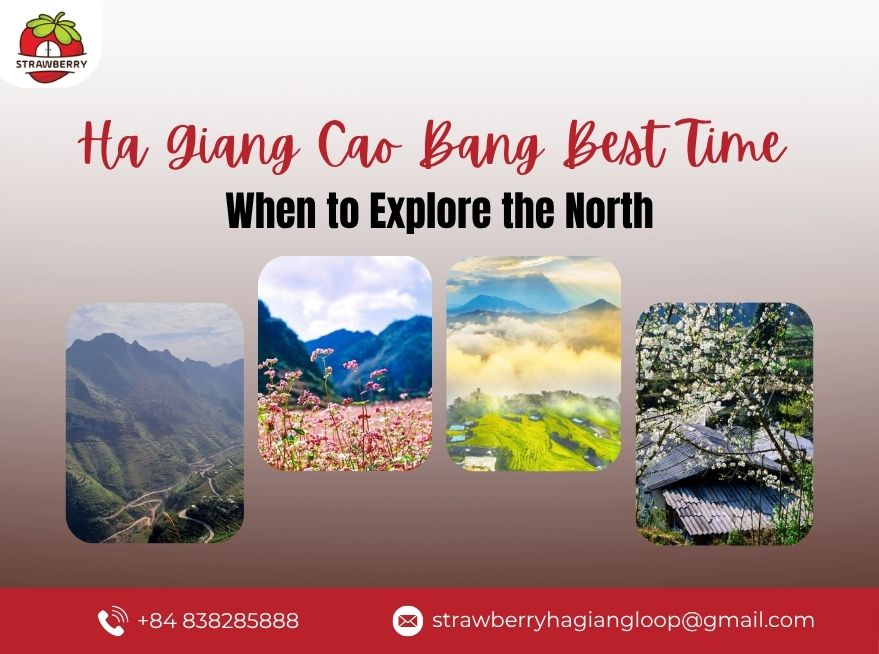
Northern Vietnam is a mosaic of towering limestone mountains, deep river valleys, cascading rice terraces, and vibrant ethnic cultures. Among its most captivating regions are Ha Giang and Cao Bang. These provinces, located near the Chinese border, have become favorite destinations for travelers seeking authentic landscapes and cultural immersion far from the typical tourist paths.
Choosing the Ha Giang Cao Bang best time to visit is crucial for those hoping to experience the full glory of the region. From seasonal festivals to vivid terraced fields and dry weather ideal for motorbiking, timing your visit can significantly shape your adventure.
Ha Giang – A Hidden Gem of Northern Vietnam
Ha Giang is famous for its breathtaking loop, known as the Ha Giang Loop, which takes travelers on a multi-day journey through the Dong Van Karst Plateau, Ma Pi Leng Pass, and many remote ethnic minority villages. Every bend in the road offers new scenery: jagged mountain peaks, misty valleys, and locals tending their crops.
Weather plays a key role in how enjoyable your trip is. The best time to visit Ha Giang is typically from September to November and March to May, when skies are clear, temperatures are pleasant, and nature is in full bloom or harvest.
Cao Bang – Home of Ban Gioc Waterfall and Untamed Landscapes
Cao Bang, less commercialized than even Ha Giang, is home to the spectacular Ban Gioc Waterfall – one of the most iconic natural landmarks in Vietnam. The province is rich in history, caves, and forested highlands. From the towering limestone cliffs to the peaceful Nguom Ngao Cave, Cao Bang offers a tranquil and untouched experience for nature lovers.
Like Ha Giang, the Cao Bang best time to visit aligns with the dry seasons, when roads are safer and the skies are clearer. The green season also brings lush scenery, though it comes with more rain.
Dry Season vs. Rainy Season: What to Expect
In both Ha Giang and Cao Bang, the year is divided into two main seasons: dry and rainy.
The dry season, from October to April, is ideal for trekking, photography, and long motorbike trips. The dry air and moderate temperatures create perfect visibility for sweeping views from mountain passes and safe driving conditions.
The rainy season, from May to September, transforms the landscape into a lush paradise. Waterfalls like Ban Gioc become even more powerful, and rice terraces glow green with new growth. However, rain can cause landslides and slippery roads, particularly in Ha Giang.
While not the Ha Giang Cao Bang best time, the green season is worth considering for adventurous travelers who don’t mind a little rain and prefer fewer crowds.
Monthly Breakdown: When to Visit
March to May – Spring Awakens
These months mark the end of winter and the beginning of the dry, warm season. Flowers bloom across the mountain slopes, peach blossoms color the highlands, and ethnic festivals bring music and markets to remote towns.
This is an excellent time for photography, especially in Cao Bang’s Phong Nam Valley and Ha Giang’s Dong Van Plateau, where spring colors contrast against limestone formations.
June to August – Summer and Lush Landscapes
While this is technically the rainy season, it’s also the best time to see green rice paddies and vibrant plant life. If you’re visiting Ban Gioc Waterfall, this is when it’s most spectacular due to high water levels.
Expect occasional heavy rains, which may cause delays or landslides on some mountain roads.
September to November – Golden Season
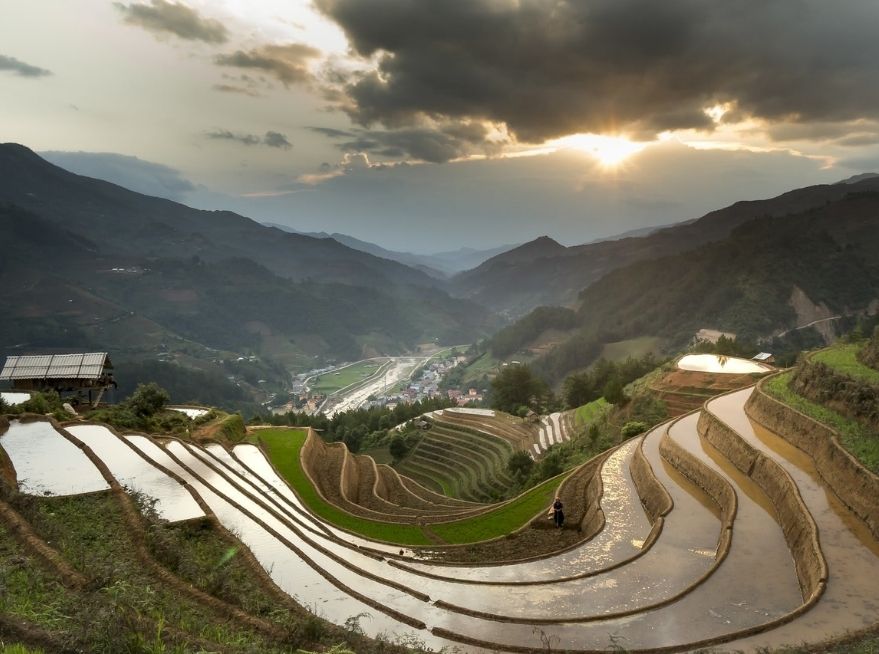
This is widely regarded as the Ha Giang Cao Bang best time. The rice terraces turn golden yellow, ready for harvest, and the weather is cool and dry. Ma Pi Leng Pass in Ha Giang offers dramatic sunset views, and Cao Bang’s fields shine in soft golden hues.
Motorbike journeys are at their peak during this period. It’s also when Ha Giang celebrates its Buckwheat Flower Festival, a unique cultural event that paints the hills in delicate pink flowers.
December to February – Cold but Beautiful
Winter brings chillier weather, especially in the highlands where frost can form. Ha Giang’s mountains sometimes get morning mists or even ice. While the landscape may be less lush, it has a mystical quality that draws photographers and explorers.
If you’re not bothered by cold temperatures, this season offers solitude and dramatic scenery.
Cultural Highlights That Align with the Seasons
Timing your visit around key festivals and events can enrich your trip. Some highlights include:
-
Lunar New Year (Tet): Occurs between late January and February. Both Ha Giang and Cao Bang host vibrant village celebrations.
-
Buckwheat Flower Festival (October-November): Held in Ha Giang, particularly in Dong Van and Meo Vac, this festival celebrates the bloom of the region’s iconic buckwheat flower.
-
Long Tong Festival (February): Celebrated in Cao Bang by the Tay ethnic group to pray for good crops and fortune.
These events offer insights into the region’s rich ethnic diversity, making the Ha Giang Cao Bang best time more than just about weather – it’s also about cultural connection.
Exploring Festivals and Cultural Events in Ha Giang and Cao Bang
Understanding the cultural rhythms of Ha Giang and Cao Bang is another way to determine the best time to visit. These two provinces are home to many ethnic minorities, each with their own customs, traditions, and festivals.
In Ha Giang, the Khau Vai Love Market held in late April is one of the most unique cultural events. It’s a gathering of people from different ethnic groups who come together to celebrate love and friendship. The market is colorful, full of music, traditional costumes, and local food, offering an intimate glimpse into minority cultures.
In Cao Bang, the Long Tong Festival, held by the Tay ethnic group in the early days of the Lunar New Year, is a vibrant event that features ceremonial offerings for a good harvest, along with games and performances. Participating in or observing such festivals offers a deeper understanding of the local spirit and makes the timing of your visit even more meaningful.
Dry Season Travel Tips
The dry season, especially from October to March, offers better conditions for travelers planning multi-day motorbike trips or those eager to explore remote ethnic villages. However, since this is also the peak tourism season, you should prepare by booking accommodations in advance, especially if traveling during Vietnamese holidays or Tet (Lunar New Year).
Cold nights in the mountains during the dry season mean packing warm clothing is essential, even if the days remain pleasantly cool. The foggy mornings, especially in January and February, might affect your visibility on the road, so ride carefully and allow extra time for each journey.
Rainy Season Travel Tips
For those who are willing to brave the rains and seek fewer crowds, May to September might be ideal. These months transform the region into a lush green paradise, making it excellent for photography. Waterfalls such as Ban Gioc in Cao Bang become dramatically powerful, and the surrounding rice fields shine in various hues of green.
However, during the rainy season, landslides and road damage can occur. Check local weather and road conditions regularly, especially if you’re doing the Ha Giang Loop by motorbike. Waterproof gear and proper tires are a must. You might also consider hiring a local guide or driver to enhance safety and local knowledge.
Combining Ha Giang and Cao Bang in One Trip
Travelers often wonder if it’s possible to combine both Ha Giang and Cao Bang in a single trip. While both are located in Vietnam’s Northeast, they are separated by mountainous terrain and can take up to 7–9 hours to travel between them.
If you have 10–14 days, it’s very feasible and rewarding to combine both provinces. You could start with the Ha Giang Loop, which typically takes 3–5 days, then move eastward to Cao Bang to explore Ban Gioc Waterfall, Nguom Ngao Cave, and the historical Pac Bo site. The best time to do this combo trip would be from September to November, when both provinces offer favorable weather and scenic beauty.
FAQs
1. What is the best time to visit Ha Giang and Cao Bang together?
The best time to explore both Ha Giang and Cao Bang is from September to November when the weather is dry, the rice terraces are golden, and road conditions are optimal.
2. Can I travel to Ha Giang and Cao Bang during the rainy season?
Yes, but you should prepare for heavy rains, possible roadblocks, and landslides. It’s a good time for lush landscapes and photography, but not ideal for motorbike trips without local knowledge.
3. Are there festivals that affect the best time to visit Ha Giang and Cao Bang?
Absolutely. Events like Khau Vai Love Market in Ha Giang (April) and Long Tong Festival in Cao Bang (Lunar New Year) are fantastic cultural experiences that can influence your travel timing.
Final Thoughts
Timing your trip to Ha Giang and Cao Bang isn’t just about avoiding rain or cold—it’s about aligning your visit with the kind of experience you seek. Whether it’s the golden glow of the rice terraces, the serenity of mist-covered mountains, or the lively beat of local festivals, knowing the Ha Giang Cao Bang best time to travel helps you create unforgettable memories.
At Strawberry House, we specialize in curating authentic northern Vietnam journeys. Whether you’re visiting for stunning landscapes, cultural insights, or peaceful escapes, we can help you plan a trip during the most ideal season. Contact us today to begin your adventure.
See more about Ha Giang motorbike rental options, tips for choosing the right bike, and how to make your journey through the loop smooth and unforgettable.
STRAWBERRY HOUSE
Address: SN 209, 20/8 Street, Ha Giang City, Ha Giang Province.
Phone: +84 838285888


