
The northern frontier of Vietnam holds a raw, unfiltered charm that speaks directly to the soul of a true explorer. Among the most iconic regions are Ha Giang and Cao Bang, where towering limestone peaks, meandering rivers, ancient ethnic villages, and untouched wilderness create a surreal landscape that feels almost mythical. For photographers and adventurers alike, Ha Giang Cao Bang photos offer not just picturesque frames, but deeply emotional narratives about the land and its people.
Why Ha Giang and Cao Bang Deserve Your Lens
Unlike other popular tourist destinations, Ha Giang and Cao Bang have retained their authenticity. The people, the terrain, and the weathered paths of buffalo and motorbikes tell stories that go beyond time. This is a land that hasn’t been staged for travel posters—it simply exists in its wild, majestic beauty.
Capturing photos here is not merely a matter of finding scenic spots; it’s about immersing yourself in the silence of misty valleys, the warmth of local smiles, and the echo of tradition along rice terrace ridgelines. If you’re looking to curate a collection of images that radiate both power and peace, Ha Giang Cao Bang photos are your gateway.

The Allure of Ha Giang Through the Lens
Ha Giang Loop is renowned for its dramatic landscapes, especially the twisting roads of the Dong Van Karst Plateau and the breathtaking Ma Pi Leng Pass. With a drone or DSLR in hand, you can document nature’s architectural mastery in every corner.
Photograph the Nho Que River carving its path through limestone mountains. Capture the vastness of Heaven’s Gate at Quan Ba. In the morning, layers of fog embrace the hills, creating depth and mystique in your compositions. In the golden hour, rice fields turn into shimmering mirrors of light.
The market scenes in Meo Vac and Dong Van also provide vibrant opportunities to showcase ethnic traditions. Women in colorful brocade, children running with kites, and elders smoking traditional pipes—each frame is rich with narrative.
Cao Bang: A Photographer’s Underrated Paradise
Just when you think Vietnam couldn’t surprise you more, Cao Bang enters the frame. Home to Ban Gioc Waterfall, one of the most stunning cascades in Asia, the region is a marvel of both serenity and grandeur. Photographs of Ban Gioc are often characterized by its layered structure, creating dynamic shots with long exposures or wide panoramas.
But Cao Bang’s magic extends far beyond the waterfall. The road to Pac Bo Cave, where Ho Chi Minh once lived, winds through lush valleys and small villages. The blue-green waters of Thang Hen Lake reflect the clouds like a mirror. Karst mountains stretch in jagged lines, resembling the teeth of dragons lying in slumber.
What makes Cao Bang unique in photography is the interplay of light and elevation. Golden sunsets and lingering fogs often veil the scenery, offering opportunities for dreamlike, atmospheric photography that stands out in any portfolio.
Best Time to Take Ha Giang Cao Bang Photos
Timing is everything when it comes to capturing the best Ha Giang Cao Bang photos. Each season brings a different emotion to the landscapes:
-
Spring (March–April): Peach and plum blossoms bloom across valleys.
-
Summer (May–August): Waterfalls are at their fullest; green is dominant.
-
Autumn (September–October): Terraced fields turn golden; skies are clearer.
-
Winter (November–February): Mist and snow in highlands create dramatic contrasts.
Photographers who plan their trips around harvest seasons or blooming periods will be rewarded with unique images that reflect the cultural and agricultural pulse of the region.
The Art of Candid Moments
While landscapes dominate, it is often the spontaneous, human moments that give Ha Giang Cao Bang photos emotional weight. A H’mong grandmother weaving by candlelight. A child splashing water while riding buffaloes. A farmer guiding ducks across a dusty road at dusk.
Such candid shots require patience and a respectful approach to local life. Many villagers are happy to be photographed when you ask politely and show genuine curiosity about their way of life.
Cao Bang: A Canvas of Nature and History
Cao Bang, located northeast of Ha Giang, presents a contrasting yet complementary portrait of Northern Vietnam. While Ha Giang impresses with towering peaks and winding loops, Cao Bang captivates with its waterfalls, karst plateaus, and historical resonance. Among the many sites, Ban Gioc Waterfall is arguably the most photographed. Nestled at the border with China, it is not only one of the largest waterfalls in Southeast Asia but also one of the most majestic. Photos of Ban Gioc often capture its mist-covered cascades, rainbows after rain, and bamboo rafts floating peacefully beneath the spray.
The Nguom Ngao Cave, another photographic marvel, showcases nature’s underground artistry. With just a smartphone or a DSLR, photographers are able to immortalize the magical formations of stalactites and stalagmites glowing under ambient lights.
Besides these natural wonders, Cao Bang’s countryside is rich with ethnic culture. Traditional Tay and Nung houses, farmers working on rice terraces, and women in colorful headscarves provide endless material for meaningful photography that tells stories beyond landscapes.
The Cultural Essence Behind the Lens
Photographing Ha Giang and Cao Bang isn’t just about the scenery; it’s about capturing the way of life. In many of these remote villages, tradition thrives. Children walk miles to school through mist-covered paths, elders wear handwoven garments passed down for generations, and festivals light up the cold mountain air with music, dance, and color.
Documenting these cultural elements through photos adds richness to your journey. The lens becomes a bridge between the viewer and the subjects, offering a respectful yet intimate glimpse into Vietnam’s ethnic diversity.
For those passionate about cultural preservation, photos taken ethically and shared with consent are valuable tools to raise awareness about these beautiful, yet often overlooked communities.
Looking for an unforgettable travel experience? Explore majestic mountains and hidden gems with our Tour Ha Giang – Cao Bang – Ban Gioc, designed for real adventurers.
Travel Photography Tips for Ha Giang and Cao Bang
To make the most of your photography adventure, consider the following tips tailored to the Ha Giang and Cao Bang regions:
-
Golden Hour Advantage: Early morning and late afternoon provide the best natural light. The mountains look more dramatic, and the soft lighting adds depth to portraits.
-
Drone Consideration: Always check local regulations before flying drones. Some border areas near China may have restrictions. The reward, however, is immense — aerial shots of terraced fields, zig-zag roads, and waterfalls are stunning.
-
Weather Variability: Mist and rain can either ruin or enhance a photo. Be ready to adapt. Waterproof gear for both yourself and your equipment is a must.
-
Interact with Locals: A simple smile or shared tea opens doors. Many of your best photo moments will come after building rapport, not from snapping and leaving.
-
Minimal Editing: These regions are beautiful in their raw form. Don’t over-process your images. Let their natural charm shine through.
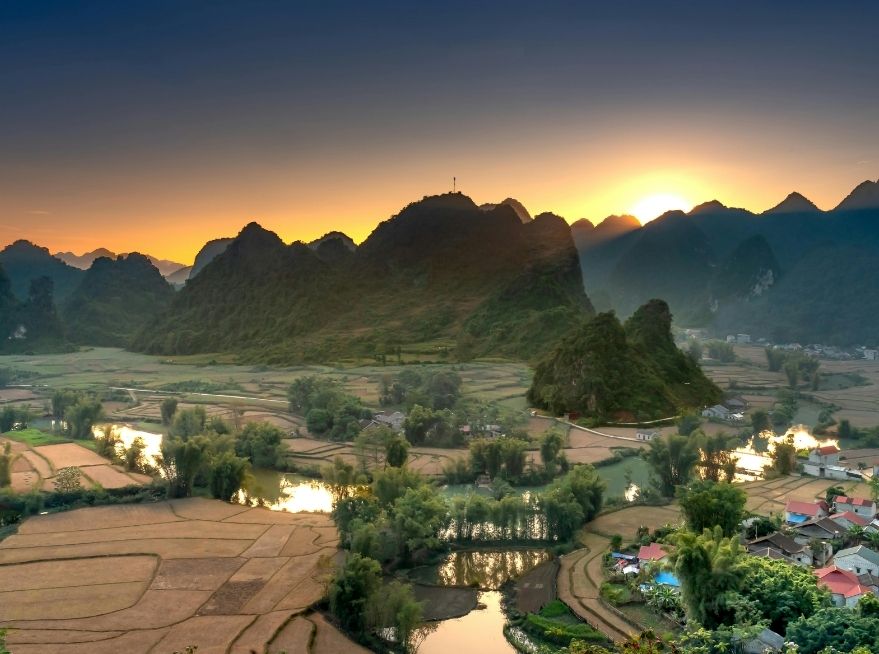
Ha Giang Cao Bang Photos
Why Ha Giang and Cao Bang Photos Are Gaining Global Attention
The global rise in sustainable and cultural tourism has brought increased attention to Ha Giang and Cao Bang. Platforms like Instagram and travel photography contests now regularly feature images from these regions. Their aesthetic appeal lies in the unfiltered blend of dramatic terrain, cultural authenticity, and unique light conditions created by elevation and weather.
Unlike many over-touristed destinations, Ha Giang and Cao Bang still maintain a sense of purity. When people search for “Ha Giang Cao Bang photos,” they often discover not only remarkable visuals but an invitation to a slower, more reflective form of travel.
How to Preserve the Beauty You Photograph
Responsible tourism goes hand-in-hand with photography. If you’re exploring Ha Giang and Cao Bang with your camera in hand, be mindful of your environmental and cultural impact. Avoid leaving any trace in the natural settings. Don’t treat locals as objects for your lens — treat them as partners in your story.
Joining community-based tourism experiences, staying at local homestays, and purchasing locally-made crafts are all ways to give back. These actions help ensure the places you photograph remain preserved and respected for years to come.
Planning Your Visual Journey with Strawberry House
Strawberry House offers curated tours and custom itineraries for travelers who want to explore Ha Giang and Cao Bang with a photographer’s eye. Whether you’re a professional shooter or a passionate hobbyist, our team understands the unique needs of visual storytellers.
Our guides are not only knowledgeable about routes and history but also understand where and when the best shots can be taken. From organizing sunrise trips to mountaintop viewpoints to helping you engage with local artisans, Strawberry House ensures you return with not just photos — but meaningful experiences.
Frequently Asked Questions
What are the best months to take Ha Giang Cao Bang photos?
The ideal time is from September to November and from March to May. These months offer clear skies, pleasant temperatures, and golden light — perfect for landscape and cultural photography.
Do I need a special permit to take drone photos in Ha Giang or Cao Bang?
Yes, drone photography near the China border may require permits. Always check with local authorities or tour guides before flying your drone.
Can I join a photo-focused tour in Ha Giang and Cao Bang?
Absolutely. Strawberry House offers specialized photography tours designed for both beginners and professionals, complete with guide support and flexible itineraries.
See more about Ha Giang Bus Tickets, schedules, and pick-up points.
STRAWBERRY HOUSE
Address: SN 209, 20/8 Street, Ha Giang City, Ha Giang Province.
Phone: +84 838285888


