
Travelers who venture off the beaten track in northern Vietnam often return with stories that sound like something out of a dream. In particular, Ha Giang and Cao Bang stand out as two of the most breathtaking provinces in the country, drawing in adventurous souls eager to witness untouched beauty. This Ha Giang Cao Bang review compiles real traveler insights, covering everything from scenic landscapes to cultural experiences, and why these two gems should be on your Vietnam itinerary.
The Magic of Northern Vietnam
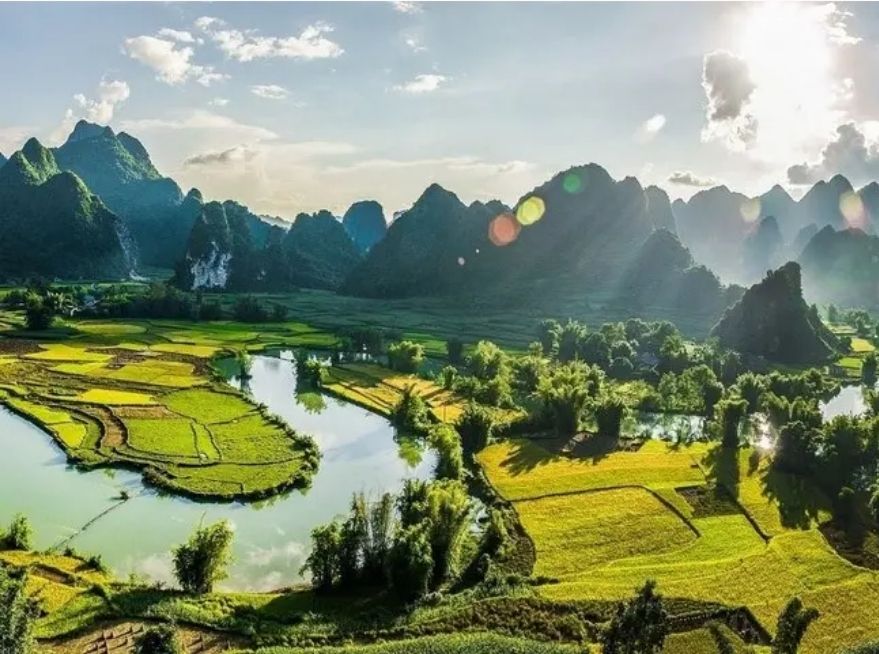
Northern Vietnam is unlike any other region. While places like Hanoi or Halong Bay receive much attention, the provinces of Ha Giang and Cao Bang remain relatively less commercialized, offering more authentic experiences. Towering limestone mountains, endless rice terraces, winding roads, and local hill tribe cultures define the essence of these regions.
According to many Ha Giang Cao Bang reviews, what makes this region so exceptional is its raw, unfiltered beauty. Unlike the more tourist-saturated areas, the scenery here is not designed for crowds—it’s nature at its purest.
Starting With Ha Giang: The Legendary Loop
No discussion about this region is complete without mentioning the Ha Giang Loop. This 350-kilometer motorbike loop has become a rite of passage for backpackers and nature lovers. You’ll ride through the Dong Van Karst Plateau Geopark, pass the majestic Ma Pi Leng Pass, and descend into deep valleys lined with rice paddies and rivers.
What makes the Ha Giang Loop so remarkable, according to travelers, is how each turn reveals a new surprise. One moment, you’re navigating a narrow mountain pass; the next, you’re stopping to admire children playing in terraced fields, far away from the noise of modern life.
Many Ha Giang Cao Bang reviews mention that while the Loop itself is challenging to ride, it is also incredibly rewarding. Riders must be comfortable with sharp turns, unpredictable weather, and narrow roads, but the panoramic views are worth every twist and turn.

Continuing the Journey to Cao Bang
Once travelers complete the Ha Giang Loop, many extend their journey toward Cao Bang. This province is famous for Ban Gioc Waterfall, one of the most stunning and largest waterfalls in Southeast Asia. Sitting on the border between Vietnam and China, Ban Gioc is often highlighted in Ha Giang Cao Bang reviews as a must-see wonder.
But Cao Bang offers more than just waterfalls. Visitors frequently talk about the magical Nguom Ngao Cave with its magnificent stalactites and stalagmites, as well as the tranquil Ba Be Lake further south. These landmarks reveal a different side of northern Vietnam—quieter, softer, yet equally majestic.
Cultural Encounters Along the Way
One recurring theme in every Ha Giang Cao Bang review is the warm hospitality of the local ethnic minorities. From the Hmong and Dao in Ha Giang to the Tay and Nung in Cao Bang, each group brings a unique culture, language, and way of life.
Travelers often describe staying in local homestays as one of the highlights of their trip. You’ll be invited to share meals, drink homemade corn wine, and join in traditional music performances. These moments provide a deeper understanding of local traditions and a strong emotional connection to the region.
Off-the-Beaten-Path Adventures
Both Ha Giang and Cao Bang are ideal for travelers seeking adventure. Ha Giang’s terrain is rugged, making it perfect for trekking and motorbiking, while Cao Bang offers kayaking and boat tours near Ban Gioc. Some reviewers recommend combining both for a multi-week itinerary that showcases the best of northern Vietnam.
In Ha Giang Cao Bang reviews, travelers frequently express surprise at how few tourists they encountered. This makes the experience even more personal and serene. However, it also means planning and preparation are essential, as transportation and accommodation options can be limited outside major towns.
Food That Tells a Story
Northern Vietnamese cuisine is earthy, simple, and full of local ingredients. In Ha Giang, dishes like thắng cố (a traditional horse meat soup) and five-colored sticky rice often steal the spotlight. In Cao Bang, bánh cuốn Cao Bằng (steamed rice rolls with pork and mushrooms) and roast duck with sour bamboo shoot soup are the highlights.
Travelers consistently note in their Ha Giang Cao Bang reviews that food experiences go hand-in-hand with cultural immersion. Meals are more than sustenance—they’re rituals that bring people together, showcasing the culinary identity of each ethnic group.
Best Time to Visit
Timing matters when exploring Ha Giang and Cao Bang. From March to May, the weather is mild and flowers bloom across the hills. September to November is harvest season, offering golden rice terraces and cool temperatures. Winter months can be cold and foggy but bring a mystical atmosphere to the highlands.
Many Ha Giang Cao Bang reviews recommend avoiding the rainy season (June to August) due to slippery roads and potential landslides. However, even during less-than-ideal weather, the region retains its haunting beauty.
A Journey into Vietnam’s Northern Highlands
Traveling through Ha Giang and Cao Bang is not just a road trip—it’s a soulful exploration of Vietnam’s rugged, untamed beauty. Often skipped in favor of more popular destinations like Hanoi or Halong Bay, these northern gems offer a deeper, more authentic connection with the country’s natural landscapes and ethnic culture. In this Ha Giang Cao Bang review, we’ll dive into what real travelers experienced, what you can expect, and why this route might be the highlight of your trip to Vietnam.
Breathtaking Scenery Beyond Words
The roads from Ha Giang to Cao Bang wind through limestone mountains, rice terraces, and deep river valleys that look like they belong in a fantasy movie. Drone enthusiasts frequently cite the Ha Giang Loop as the most scenic route in Southeast Asia, but extending the journey to Cao Bang elevates the experience. From Ma Pi Leng Pass to the peaceful Ban Gioc Waterfall, the visual contrast between jagged cliffs and calm waters leaves travelers speechless.
Travelers often comment that even after seeing famous places in Vietnam, Ha Giang and Cao Bang feel untouched and majestic. One backpacker wrote, “I’ve been to Sapa, Da Nang, and Ninh Binh—but this route is on a whole different level. I felt like I was flying through a watercolor painting.”
Riding the Ha Giang Loop: Adventure Meets Culture
The Ha Giang Loop is a multi-day motorbike route beginning and ending in Ha Giang city. For many, this is where the journey starts. It’s a rite of passage for adventurers who want to conquer Vietnam’s rugged northern frontier. The loop takes you through ethnic minority villages, including those of the Hmong, Tay, and Dao people, where traditional dress and customs remain intact.
Many reviewers mention staying at Strawberry House’s partner homestays along the loop as one of the highlights. These stays often include local meals, campfires, and cultural performances that offer a glimpse into authentic life in the mountains.
According to one guest: “I was nervous about doing the loop solo, but the Strawberry House team helped me plan each stop, and the local hosts were incredibly kind. It wasn’t just a trip—it was a cultural exchange.”
From Ha Giang to Cao Bang: A Hidden Gem Awaits
After completing the Ha Giang Loop, many travelers opt to continue their journey east toward Cao Bang. This leg is less known and less traveled, but those who take it describe the route as magical. The scenery becomes softer—lush green hills give way to karst peaks, and valleys open into rice paddies and tranquil rivers.
The most iconic stop in Cao Bang is Ban Gioc Waterfall. Often called the most beautiful waterfall in Vietnam, it straddles the border with China and remains surprisingly uncrowded. One traveler noted: “I had seen photos of Ban Gioc, but nothing prepared me for how it sounded and felt. It was pure serenity.”
Nui Thung Mountain and the Nguom Ngao Cave are also highlights. If Ha Giang is raw and dramatic, Cao Bang is gentle and surreal—together, they offer a full sensory experience of northern Vietnam.
Logistics and Travel Tips
Getting from Ha Giang to Cao Bang can be done via local buses, private transport, or by continuing your motorbike adventure. The ride typically takes around 5–6 hours but is best broken up with scenic or cultural stops along the way.
Travelers recommend:
-
Starting the Ha Giang Loop with a trusted rental provider or guided tour to avoid dangerous roads.
-
Bringing proper gear for both cold mornings in the mountains and humid valleys in Cao Bang.
-
Using offline maps, as signal in remote areas is limited.
-
Booking homestays in advance during high season (October–April).
Strawberry House offers customizable tours and motorbike packages with drop-offs in Cao Bang, which eliminates the stress of planning multiple legs of the trip independently.
Why the Ha Giang – Cao Bang Route is Gaining Popularity
Though still under the radar, this route is quickly becoming popular among seasoned travelers, photographers, and digital nomads. Its unique mix of awe-inspiring nature and genuine human connection makes it more than just a trip—it’s an experience that stays with you.
Travel blogger Elisa described it best in her review: “This wasn’t just a place I visited—it was a place that changed how I travel. I stopped rushing, started listening, and left feeling lighter.”
Whether you’re a solo traveler, a couple, or a small group, this journey rewards you not only with visuals that belong in National Geographic, but also with warm hospitality and a deeper appreciation for Vietnam’s rich tapestry of culture.
Discover breathtaking landscapes and rich culture on our Tour Ha Giang – Cao Bang – Ban Gioc, the perfect Northern Vietnam adventure for nature lovers and explorers alike.
FAQs About Ha Giang Cao Bang Review
1. Is the Ha Giang to Cao Bang route safe for solo travelers?
Yes, the route is generally safe, especially for those with motorbike experience or those booking guided tours. Many solo travelers do it every month and report positive experiences, especially when partnering with reliable tour operators like Strawberry House.
2. How many days should I plan for Ha Giang and Cao Bang?
A well-paced itinerary would be around 7–9 days. You can do the Ha Giang Loop in 3–5 days and then take 2–3 days to explore Cao Bang, including Ban Gioc Waterfall and nearby attractions.
3. What’s the best season to travel from Ha Giang to Cao Bang?
The ideal seasons are from September to November and from March to May. These months offer mild temperatures, clear skies, and fewer chances of rain or fog, allowing for better visibility and more enjoyable trekking or biking conditions.
Find out more about Ha Giang Motorbike Rental services and how to book your ride today.
STRAWBERRY HOUSE
Address: SN 209, 20/8 Street, Ha Giang City, Ha Giang Province.
Phone: +84 838285888


