
Nestled in the majestic northern highlands of Vietnam, the provinces of Ha Giang and Cao Bang have captivated travelers with their untouched beauty, ethnic diversity, and winding mountain roads. While the breathtaking views and cultural richness are undisputed, many travelers, especially international tourists, ask the same question: Is it safe to travel through Ha Giang and Cao Bang?
This blog by Strawberry House aims to give you a complete guide to Ha Giang Cao Bang safety, ensuring you have all the information needed to enjoy your journey with peace of mind.
Understanding the Terrain and Challenges
The landscapes of Ha Giang and Cao Bang are among the most scenic in Southeast Asia, but they are also some of the most rugged. The region features high passes, deep valleys, and narrow roads that snake through mountain ranges. While this terrain makes for awe-inspiring vistas and ideal conditions for drone footage and photography, it also presents unique challenges for safety.
Travelers often need to be cautious of sharp turns, gravel roads, and steep inclines, especially during rainy seasons when roads can be slippery and visibility may be poor. However, with preparation and local knowledge, these challenges can be navigated safely.
Road Conditions and Transportation Safety
One of the most common concerns about Ha Giang Cao Bang safety is related to road travel, particularly for those planning to complete the Ha Giang Loop or traverse the border roads of Cao Bang. Here are key insights:
-
Motorbike Travel: Riding a motorbike is the most popular way to experience Ha Giang. While thrilling, it requires skill. It’s important to choose reliable motorbike rentals with well-maintained vehicles and to always wear proper protective gear.
-
Local Drivers: For travelers without motorbike experience, hiring a local guide or Easy Rider is highly recommended. These local experts know the terrain, traffic patterns, and safest routes.
-
Car and Bus Travel: For longer distances, taking a private car or minibus between Ha Giang and Cao Bang is a safe and comfortable option. Ensure that the transport provider is reputable and that the vehicle is equipped for mountain driving.

Ha Giang Cao Bang safety
Health and Emergency Services
Health facilities in Ha Giang and Cao Bang are generally basic in rural areas but more developed in town centers. Here are a few tips to ensure your health and well-being:
-
Travel Insurance: Before arriving in Vietnam, secure travel insurance that covers motorbike use, medical evacuation, and emergency hospitalization.
-
Medical Supplies: Pack essential medications, first-aid kits, and any necessary prescriptions. Pharmacies in towns are available but may not carry specialized items.
-
Hospitals: Ha Giang City and Cao Bang City each have general hospitals with emergency care, but for serious injuries, travelers are often transferred to Hanoi.
Weather and Seasonal Safety Tips
The weather in northern Vietnam varies significantly throughout the year. To enhance Ha Giang Cao Bang safety, travelers should plan their trip during the most favorable seasons:
-
Best Time to Travel: March to May and September to November offer dry, clear weather, ideal for riding and trekking.
-
Rainy Season Risks: From June to August, sudden downpours can cause landslides and road closures. It’s wise to check the forecast daily and avoid remote routes during storms.
-
Winter Conditions: December to February can bring fog and even frost in high altitudes, reducing visibility and increasing road risks.
Cultural Safety and Respect
Cao Bang and Ha Giang are home to dozens of ethnic minority groups, including the Hmong, Tay, and Dao people. While these communities are welcoming and used to tourists, cultural sensitivity is vital:
-
Respecting Traditions: Avoid taking close-up photos without permission and be mindful of dress codes in villages.
-
Staying in Homestays: Choose certified homestays that support sustainable tourism and follow safety regulations, including proper hygiene and fire safety.
-
Food and Water: Stick to cooked food, drink bottled water, and avoid raw produce unless washed with clean water to prevent stomach issues.
Accommodation Safety
Strawberry House and many other locally-owned accommodations in both Ha Giang and Cao Bang prioritize safety and comfort. Here’s what to look for:
-
Verified Listings: Book through trusted platforms with verified reviews.
-
Security: Choose places with secure motorbike parking and lockers for valuables.
-
Fire and Emergency: Ask about emergency exits, fire extinguishers, and first aid availability before check-in.
Staying Connected and Informed
Communication can be a challenge in remote areas. However, mobile networks have improved:
-
SIM Cards: Purchase a local SIM card (Viettel or Mobifone) for better coverage in mountainous areas.
-
Offline Maps: Download offline maps or GPS apps like Maps.me to navigate without needing constant data access.
-
Emergency Contacts: Always keep a list of emergency contacts, including your accommodation host, a local tour guide, and Vietnam’s emergency numbers (113 for police, 115 for ambulance).
Navigating Through Ha Giang and Cao Bang
To maximize your safety while traveling in these northern provinces, understanding the geography and terrain is key. Ha Giang and Cao Bang are renowned for their majestic mountain passes, winding cliffside roads, and narrow pathways. While stunning, these landscapes require full attention from any driver or rider.
Motorbiking is a popular way to explore both provinces, but it’s not recommended for absolute beginners. Roads like Ma Pi Leng Pass in Ha Giang or the winding route through Me Pia Pass in Cao Bang are beautiful but dangerous if you are not confident in your driving ability. Hiring a local guide or driver is a smart option for travelers who want to enjoy the view without the risks.
Traffic is generally light in rural areas, but caution is still necessary, especially in foggy or rainy conditions. Always check weather forecasts before heading out, as flash floods or landslides can occur during heavy rains.
Health and Emergency Services
Access to medical care in Ha Giang and Cao Bang is limited outside of major towns. You’ll find basic clinics in district centers, but they might not be equipped for emergencies. For this reason, it’s crucial to carry a travel health kit with essentials like antiseptics, painkillers, motion sickness medication, and any prescription drugs you require.
We recommend that all travelers purchase travel insurance that covers medical evacuation. This can be a literal lifesaver in case of serious injury, especially given the remote nature of many scenic routes.
Stay hydrated and well-fed, as physical exhaustion can impair judgment on long travel days. Local dishes are delicious and generally safe, but avoid street food from vendors who don’t follow basic hygiene practices. Bottled water is widely available and should be your go-to drinking source.
Responsible Tourism for a Safer Experience
Practicing responsible tourism not only benefits the environment and local communities—it also enhances your safety. Respect local customs, avoid wandering into remote areas alone, and never enter farmlands or private property without permission.
Local residents in both Ha Giang and Cao Bang are incredibly welcoming, but cultural misunderstandings can occur. Being courteous and learning a few phrases in Vietnamese (or even local ethnic dialects) can foster good relationships and open doors to safer, more enriching experiences.
Always let someone know your travel itinerary, especially if you’re heading into isolated areas. Strawberry House recommends using apps like Google Maps offline, Maps.me, and keeping emergency contacts on hand, including the phone number of your homestay.
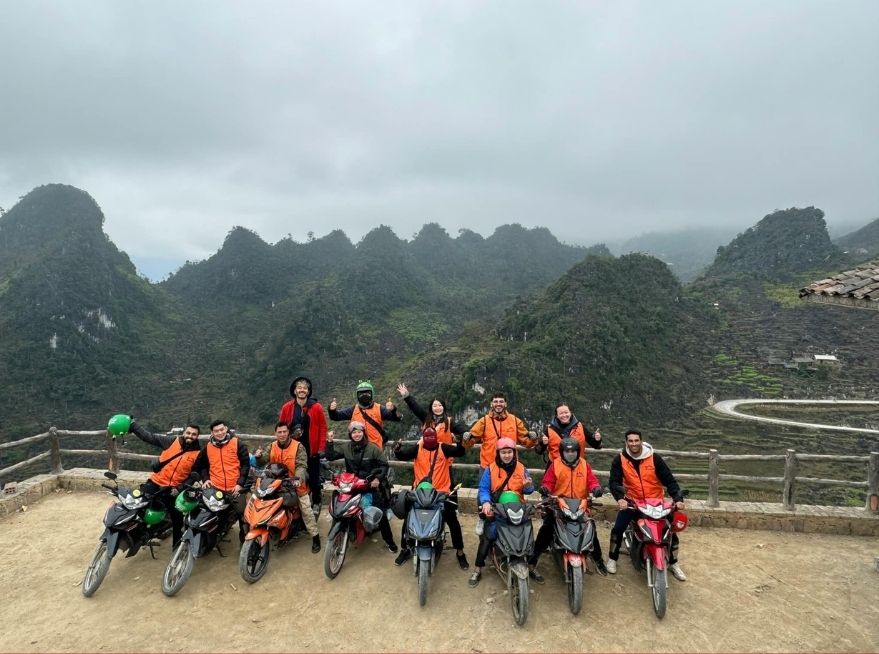
Recommended Safe Routes and Homestays
For a safe journey, plan your route in advance and avoid nighttime travel. Recommended safe routes include:
-
Ha Giang Loop: Ha Giang – Quan Ba – Yen Minh – Dong Van – Meo Vac – Du Gia – Ha Giang.
-
Cao Bang Loop: Cao Bang – Ban Gioc Waterfall – Phia Thap – Pac Bo – Trung Khanh – Cao Bang.
These loops are well-traveled and offer access to accommodation, food, and fuel. Many travelers stay at reputable homestays like Strawberry House, which not only offer clean and comfortable lodging but also provide route advice, motorbike rentals with helmets, and local guides.
Choosing to stay in trusted homestays can significantly reduce travel risks, as these establishments are familiar with the region’s road conditions, weather patterns, and emergency contacts.
Discover more about the unforgettable journey through the North of Vietnam with our featured article on the Tour Ha Giang – Cao Bang – Ban Gioc, full of breathtaking landscapes and local culture.
Night Travel and Curfews
Traveling at night is not advised due to poor visibility, limited lighting on roads, and increased risks of wildlife or livestock crossing your path. Additionally, certain villages may observe curfews or close roads during specific seasons. Always check with your host or local tourism information center about any travel restrictions.
If you must travel after sunset, stick to well-known routes, travel in groups, and ensure your vehicle’s lights are functioning properly. Always have a backup flashlight or headlamp and extra phone battery.
FAQs About Ha Giang Cao Bang Safety
1. Is it safe to travel alone in Ha Giang and Cao Bang?
Yes, many travelers do so. However, solo travelers should stay on well-known routes, inform someone of their itinerary, and avoid remote areas without local guidance.
2. Do I need travel insurance for Ha Giang and Cao Bang?
Absolutely. Travel insurance is essential for covering medical emergencies and evacuation, especially due to the remoteness of these destinations.
3. How safe are the roads in Ha Giang and Cao Bang for motorbiking?
The roads are scenic but challenging, with steep cliffs and sharp turns. They are safe for experienced drivers, but beginners should consider traveling with a guide or hiring a local driver.
See more about Ha Giang Motorbike Rental services, pricing, and what to expect on your journey.
STRAWBERRY HOUSE
Address: SN 209, 20/8 Street, Ha Giang City, Ha Giang Province.
Phone: +84 838285888


