
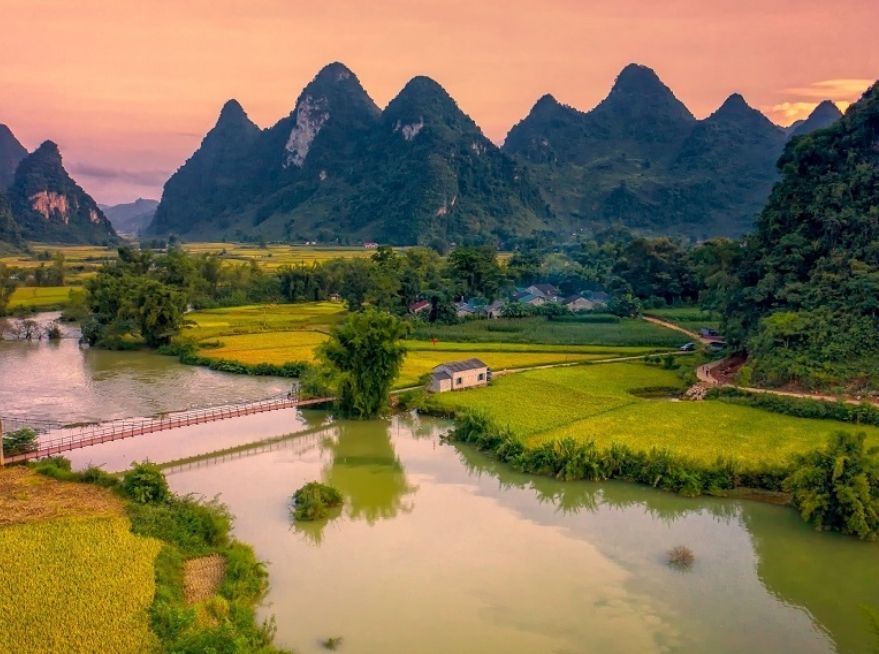
Exploring northern Vietnam is like stepping into a living postcard. The loop between Ha Giang and Cao Bang is an unforgettable journey that offers travelers a rare glimpse into raw natural beauty, unique ethnic cultures, and an off-the-beaten-path experience. At Strawberry House, we’ve guided countless travelers through this incredible route, and today we’re sharing our top Ha Giang Cao Bang tips to help you plan a safe, enriching, and memorable adventure.
Why Combine Ha Giang and Cao Bang?
The Ha Giang Loop has gained global attention in recent years for its hairpin mountain roads, majestic limestone peaks, and traditional Hmong villages. On the other hand, Cao Bang is often overlooked—but those who make the trip are rewarded with stunning waterfalls, verdant valleys, and a deeper dive into Vietnam’s rich cultural tapestry.
Together, these two provinces offer a complete northern highland experience. Ha Giang serves as the adrenaline-pumping introduction, while Cao Bang slows things down with tranquil rivers and ancient caves. Whether you’re riding a motorbike or traveling by bus, merging these two regions into one tour is the best way to explore Vietnam’s most captivating landscapes.
Best Time to Visit Ha Giang and Cao Bang
Timing can dramatically impact your travel experience. One of our most crucial Ha Giang Cao Bang tips is to schedule your trip during the dry seasons: from September to November or from March to May. These months provide the most favorable weather for motorbike riding and hiking. September is particularly special due to the golden rice terraces of Hoang Su Phi and the mild temperatures across both provinces.
Avoid the rainy season from June to August, when landslides can make roads dangerous and visibility poor. If you’re visiting in December or January, prepare for cold conditions and occasional frost, especially in Meo Vac or Dong Van.

Planning Your Route
The Ha Giang to Cao Bang route is not a simple loop. It requires careful planning if you want to maximize your time and minimize travel fatigue. Here’s our suggested route to get the best of both regions:
-
Start in Ha Giang City and complete the loop via Yen Minh, Dong Van, and Meo Vac.
-
Continue southeast through Bao Lac toward Cao Bang.
-
Explore the highlights of Cao Bang, including Ban Gioc Waterfall and Nguom Ngao Cave.
From there, you can either return to Hanoi or extend your trip to Lang Son and then loop back to the capital. One of our best Ha Giang Cao Bang tips is to allow 7–10 days for this combined journey. Anything shorter will feel rushed and exhausting.
Transportation Tips
Motorbikes are the most common way to explore this route, especially among adventurers looking for freedom and flexibility. However, this comes with a caveat: the roads are not for beginners. The terrain is steep, winding, and often narrow. If you’re not confident on a bike, we recommend booking a loop tour with an experienced local guide or traveling by bus.
Ha Giang Cao Bang tips offers a wide range of motorbike rentals with gear, helmets, and maps. Ensure you choose a reputable provider. From Ha Giang to Cao Bang, the road from Meo Vac to Bao Lac is the main connection. This leg can be particularly isolated, so stock up on fuel and water beforehand.
If you’re going by bus, there are several sleeper and local buses operating between Ha Giang, Bao Lac, and Cao Bang City. Note that these buses may not always be punctual or comfortable, so factor in delays.
Accommodation: What to Expect
Both Ha Giang and Cao Bang have seen a boom in tourism infrastructure in recent years, yet options remain basic in rural areas. Ha Giang City and Dong Van offer a good range of hostels, hotels, and homestays. The same goes for Cao Bang City. However, if you’re heading into more remote areas like Meo Vac or Trung Khanh, prepare for more rustic stays.
Strawberry House in Ha Giang is one of the top-rated guesthouses for comfort and service. We recommend booking in advance during peak travel seasons, especially around Vietnamese national holidays.
Cultural Etiquette and Local Customs
Respecting local customs is one of the most important Ha Giang Cao Bang tips we can share. Many of the people you’ll meet in these regions belong to ethnic minority groups such as the Hmong, Tay, Nung, and Dao. These communities have distinct traditions and ways of life, and it’s vital to travel with cultural sensitivity.
-
Always ask before taking photos of people or their homes.
-
Dress modestly, especially when entering villages or attending local markets.
-
Avoid public displays of affection, which can be seen as disrespectful.
Participating in homestays is a great way to learn more about local culture in Ha Giang Cao Bang tips. You’ll often be welcomed with homemade meals and rice wine, but it’s polite to at least taste what’s offered—even if you’re not used to the flavors.
What to Pack for Ha Giang and Cao Bang
When preparing for an adventure through Ha Giang and Cao Bang, packing smartly ensures comfort and flexibility. The climate can vary dramatically between regions and elevations, especially if you’re planning to drive the Ha Giang Loop and explore mountainous areas in Cao Bang.
Bring lightweight, moisture-wicking clothes for daytime hikes, and layerable items for cool evenings. A waterproof jacket is a must, especially during the rainy season. Don’t forget sturdy walking shoes, sunscreen, a wide-brimmed hat, insect repellent, and a reusable water bottle.
For motorbike travelers, protective gear such as gloves, a rain poncho, and a quality helmet are essential. Many accommodations offer laundry service, so you don’t need to overpack.
Best Time to Visit
One of the top Ha Giang Cao Bang tips is to visit during spring (March–May) or autumn (September–November). During these months, the weather is cool and relatively dry, making it perfect for outdoor exploration and motorbike rides.
Spring brings blossoming flowers, including peach and plum blossoms. Autumn offers golden rice terraces in full harvest mode. These seasons also feature local festivals where you can experience authentic ethnic traditions and cultural performances.
Avoid visiting during the rainy season (June–August) as the mountain roads can become slippery and landslides are possible. However, the lush green landscapes during this time are incredibly photogenic if you are well-prepared for the rain.
Where to Stay in Ha Giang and Cao Bang
Accommodation in both provinces ranges from rustic homestays to cozy hostels and mid-range guesthouses. In Ha Giang, towns like Yen Minh, Dong Van, and Meo Vac offer numerous homestays that provide authentic meals and cultural exchanges with local families.
In Cao Bang, consider staying near Ban Gioc Waterfall or in the town of Trung Khanh. These areas offer scenic surroundings and easier access to top natural attractions.
Strawberry House, a well-reviewed option in Ha Giang, is known for its welcoming atmosphere, tour assistance, and comfortable facilities. Staying in such a place provides more than just a bed—it offers insider advice and local tips to enhance your trip.
Safety Tips for the Road
Safety is paramount, especially when navigating mountainous roads. Make sure to check your motorbike’s condition before every ride—brakes, lights, tires, and mirrors should all be in good working order.
Always wear your helmet and protective gear. Roads can be unpredictable with sudden rain, fog, or animals crossing. Keep your speed manageable and never drive at night. Carry a printed map or download offline maps in case of limited reception in remote areas.
Let someone know your itinerary, especially if you are venturing into less-traveled areas in Cao Bang. Having travel insurance that covers motorbike riding is also highly recommended.
Responsible Travel and Cultural Sensitivity
When exploring ethnic minority villages and natural wonders, it’s essential to travel responsibly in Ha Giang Cao Bang tips. Always ask permission before taking photos of local people. Respect dress codes when visiting religious or sacred places.
Buy locally made products and eat at family-run restaurants to support the local economy. Don’t litter, and consider bringing your own water bottle to reduce plastic waste.
By traveling with mindfulness and respect, you contribute positively to the preservation of these unique communities and landscapes.
At Strawberry House, we’ve guided countless travelers through this incredible route, and today we’re sharing our top Ha Giang Cao Bang tips to help you plan a safe, enriching, and memorable adventure
While most travelers focus on major landmarks, there are hidden gems waiting to be discovered. In Ha Giang, visit Lung Tam Village to learn about traditional weaving or the H’mong King Palace for a glimpse into ethnic history.
In Cao Bang, explore Thang Hen Lake, a tranquil area ideal for reflection and photos. Another lesser-known treasure is the Ngườm Ngao Cave, close to Ban Gioc Waterfall, featuring stunning limestone formations in a serene setting.
These lesser-visited spots offer peaceful alternatives to popular locations and often turn out to be travelers’ favorite memories.
Food and Culinary Tips
Exploring Ha Giang and Cao Bang tips is also a culinary journey. Don’t miss Thang Co (a traditional Hmong dish), grilled corn, and sticky rice with sesame. In Cao Bang, try Bánh Cuốn Cao Bằng (steamed rice rolls) and roasted duck.
Markets are great places to sample fresh local food. If you’re unsure what to eat, ask your homestay host or guide for recommendations. Vegetarians should notify hosts in advance, as meat is common in most traditional dishes.
Trying regional delicacies not only enhances your trip but also supports local farmers and chefs.
FAQs about Ha Giang Cao Bang Tips
What is the best route between Ha Giang and Cao Bang?
The most scenic route goes through Bao Lac, Meo Vac, and Dong Van. It takes around 7–8 hours of driving depending on road conditions. Plan for at least one overnight stop.
Do I need a special license to drive a motorbike in Ha Giang and Cao Bang?
Yes, a valid international driver’s permit (IDP) with motorbike endorsement is required in Vietnam. Alternatively, consider hiring a driver or joining a guided tour.
How many days should I spend in Ha Giang and Cao Bang?
To enjoy both regions thoroughly, allocate at least 4–5 days. Three days for Ha Giang Loop and two days for Cao Bang including Ban Gioc and Ngườm Ngao Cave is ideal.
Whether you’re chasing mountain sunrises, swimming beneath waterfalls, or riding hairpin turns through misty valleys, this northern Vietnam route is an unforgettable experience. By following these Ha Giang Cao Bang tips, you can travel confidently, discover hidden treasures, and make the most of every moment.
From its welcoming communities to its jaw-dropping landscapes, Ha Giang Cao Bang tips offer a rich and rewarding journey for any adventurous soul. With thoughtful planning and a flexible spirit, this road trip will likely become one of your life’s most cherished travel stories. For the most trusted starting point, local advice, and help booking your journey, let Strawberry House be your travel partner in Ha Giang.
If you’re planning to conquer Ha Giang, see more about Ha Giang motorbike rental
STRAWBERRY HOUSE
Address: SN 209, 20/8 Street, Ha Giang City, Ha Giang Province.
Phone: +84 838285888


