
Exploring Northern Vietnam is a dream come true for adventurers, photographers, and cultural enthusiasts. Among the many gems in this region, Ha Giang and Cao Bang stand out as two of the most stunning yet underrated destinations. This Ha Giang Cao Bang travel guide by Strawberry House is your ultimate companion to navigating the mountain loops, discovering hidden waterfalls, and immersing yourself in local ethnic cultures—all like a true local.
Why Choose Ha Giang and Cao Bang for Your Northern Vietnam Trip
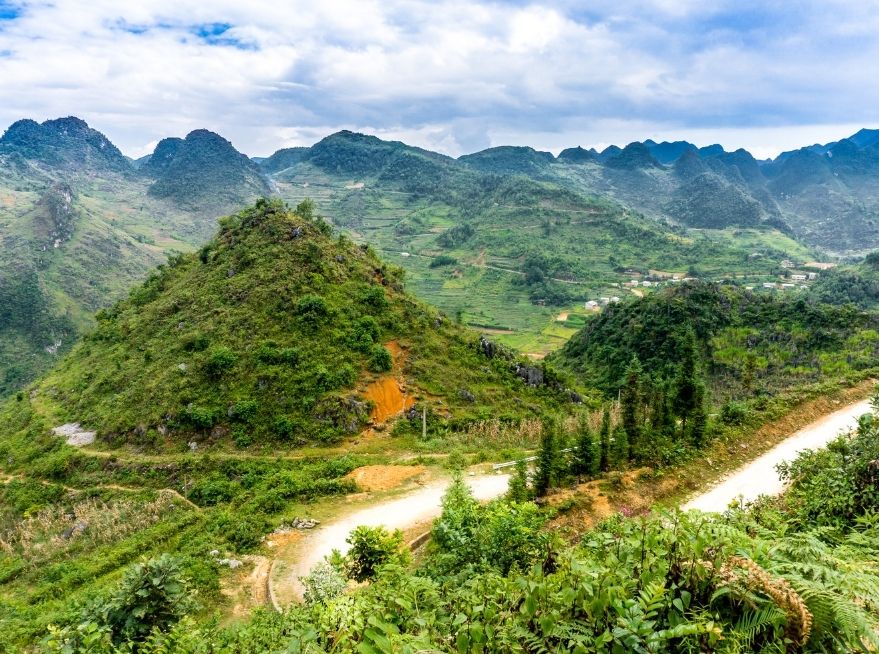
Ha Giang and Cao Bang provinces represent the pure essence of Vietnam’s mountainous north. With their winding roads, limestone karsts, misty valleys, and traditional villages, these provinces offer a raw beauty untouched by mass tourism.
The Ha Giang Loop is the crown jewel of the region, attracting thousands of thrill-seekers every year who brave the mountain passes on two wheels. Meanwhile, Cao Bang boasts incredible natural wonders like Ban Gioc Waterfall, Nguom Ngao Cave, and Pac Bo Historical Site. Together, they form a perfect circuit for travelers seeking both adventure and tranquility.
Best Time to Travel to Ha Giang and Cao Bang
Timing is key when planning a trip to this part of Vietnam. From September to November, golden rice terraces and clear skies dominate the scenery, making it ideal for photography and drone shots. Springtime, from March to April, reveals blooming flowers and pleasant weather across the mountains.
The winter months (December to February) can be misty and cold, yet they create an ethereal atmosphere, especially for those capturing Ha Giang Loop drone footage or journeying into the remote corners of Cao Bang.
Getting There – Bus, Tour, or DIY?
One of the most common questions among travelers is how to get to Ha Giang and Cao Bang. There are several ways depending on your travel style and budget.
If you’re based in Hanoi, you can easily book Ha Giang bus tickets from My Dinh or Gia Lam stations. Most buses operate overnight, saving both time and accommodation costs. Once in Ha Giang City, you can choose to start the Ha Giang Loop via motorbike or tour service.
Alternatively, booking a Ha Giang tour with local operators like Strawberry House ensures you get expert guidance, accommodation, and curated experiences with local ethnic minorities.
Cao Bang is reachable via sleeper buses or minivans, usually taking 6 to 8 hours from Hanoi. If you’re already in Ha Giang, there are connecting roads leading to Cao Bang—making the Tour Ha Giang – Cao Bang – Ban Gioc itinerary a seamless loop through the mountains.
Choosing Between Motorbike and Car
One of the most memorable ways to experience Ha Giang is by motorbike. Ha Giang motorbike rental services are widely available and often include helmets, phone mounts, and protective gear. Riding a motorbike allows for flexibility, stops at your own pace, and deeper interaction with locals.
However, if you’re not comfortable riding, a car tour or private van is a safer choice, especially during rainy seasons when the roads become slippery.
Top Highlights in Ha Giang
The Ha Giang Cao Bang travel guide typically includes stops at Quan Ba Heaven Gate, the Twin Mountains, Dong Van Karst Plateau, Ma Pi Leng Pass, and Meo Vac. These destinations showcase jaw-dropping mountain views, ancient villages, and serene rivers winding through deep valleys.
Don’t miss the Dong Van Sunday Market, where ethnic groups like the H’mong, Tay, and Dao gather to trade handmade goods, textiles, and produce.
Top Highlights in Cao Bang
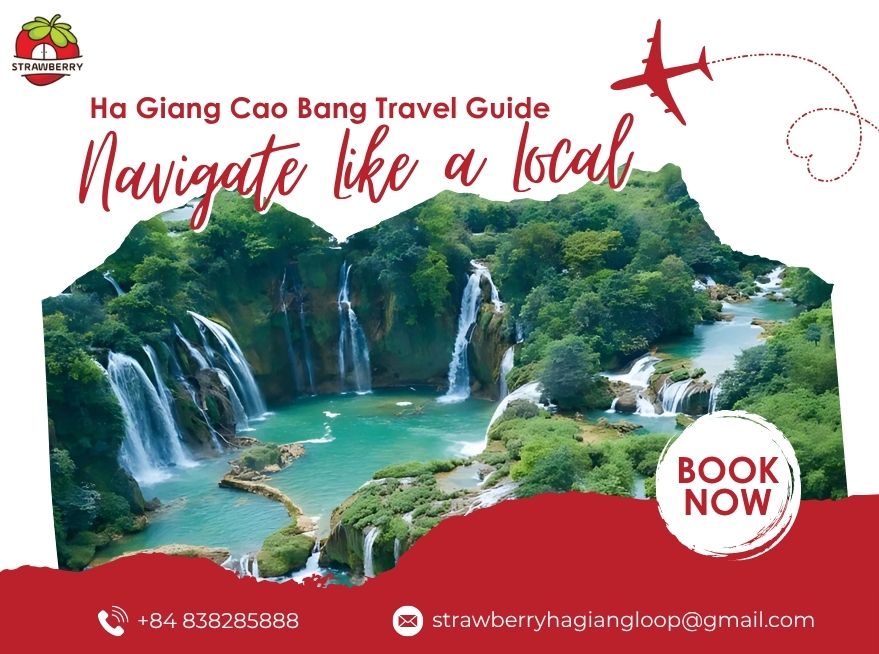
In Cao Bang, the Ban Gioc Waterfall is the showstopper. Bordering China, this is one of Southeast Asia’s largest waterfalls, and it’s even more mesmerizing during the rainy season when water levels peak.
Nearby, Nguom Ngao Cave offers an underground wonderland of stalactites, while Pac Bo Cave is steeped in history, known for sheltering President Ho Chi Minh during his early revolutionary years.
Cultural Experiences to Savor
The north isn’t just about landscapes. The real magic lies in its people. Staying in traditional homestays allows you to connect with local families, taste authentic dishes like thắng cố (horse stew), or participate in highland festivals. Cultural exchange is the soul of the Ha Giang Cao Bang travel guide.
Photography and Drone Footage Tips
Both Ha Giang Cao Bang travel guide are a dreamland for photographers and drone enthusiasts. Early morning mist, golden rice fields, and limestone cliffs make for stunning Ha Giang Loop drone footage. Always be respectful of local privacy and avoid flying over villages during cultural ceremonies unless permitted.
One of the unique aspects of a Ha Giang Cao Bang travel guide is discovering the hidden spots that lie between the major destinations. The route Ha Giang Cao Bang travel guide is dotted with serene villages, mist-covered valleys, and lesser-known mountain passes that rival the grandeur of more famous landmarks. For example, the Lung Phin market is a cultural gem located in a remote village, where ethnic minorities gather every week to trade goods and share stories.
Along the journey, travelers will encounter rice terraces so perfectly sculpted that they look like art installations when viewed from above — a sight made unforgettable if you’re fortunate enough to see it captured in Ha Giang Cao Bang travel guide. The interplay between nature, agriculture, and mountain terrain here is unlike anywhere else in Vietnam.
Ban Gioc Waterfall: The Grand Finale
No Ha Giang Cao Bang travel guide would be complete without the stunning Ban Gioc Waterfall. Located on the border between Vietnam and China, it’s the largest waterfall in the country and arguably one of the most photogenic. The surrounding landscape, filled with bamboo groves and karst peaks, adds to the magical setting. This is a must-stop point on the Tour Ha Giang – Cao Bang – Ban Gioc, often reserved as the highlight of a multi-day itinerary.
Visitors can take bamboo rafts to the base of the falls, enjoy local food from nearby vendors, or simply soak in the view. The sound of cascading water and mist in the air offers a sense of calm and wonder rarely found elsewhere. The road to Ban Gioc may be long, but every turn rewards you with something extraordinary.
Best Time to Visit
Timing your journey well can make a huge difference in your overall experience. The best period for this route is from September to November, when rice fields glow in golden hues and skies are often clear — perfect for capturing breathtaking Ha Giang Cao Bang travel guide. Spring, especially March and April, also offers a great chance to witness blooming buckwheat and peach blossoms, along with festive ethnic events.
Summer brings lush green landscapes but also the chance of heavy rain and slippery mountain passes. Winter can be misty and cold, but that atmosphere adds a mystical touch to the journey for those prepared to brave the elements.
Local Cuisine Along the Way
Sampling local cuisine is an integral part of traveling like a local. Both Ha Giang and Cao Bang offer a culinary heritage rich in mountain produce, fermented foods, and savory broths. While on the Ha Giang Cao Bang travel guide, try “thang co” — a traditional Hmong stew, or grilled corn and sticky rice cooked in bamboo tubes.
In Cao Bang, don’t miss the specialty “banh cuon Cao Bang” (steamed rice rolls with broth), and “vi cao” (a medicinal herbal hotpot often eaten in cold weather). Local markets along your route are the best places to enjoy these dishes fresh and affordably.
When stopping in towns or villages, many Ha Giang Cao Bang travel guide or organized rides include meal breaks at family-run eateries, offering authentic and homely dishes you can’t find in major cities.
Transportation Tips and Safety
Navigating the rugged terrain between Ha Giang and Cao Bang requires a bit of preparation. While experienced riders may opt for a Ha Giang motorbike rental, it’s essential to understand road conditions and check weather forecasts before you set out. If you’re not confident on two wheels, joining a guided Ha Giang Tour that includes a licensed driver or “easy rider” is the safer and more comfortable option.
For those traveling by bus, various options for Ha Giang Bus Tickets are available from Hanoi, with overnight sleeper buses being the most popular. Many tours and homestays can arrange further transportation into Cao Bang, especially for multi-day routes like the Tour Ha Giang – Cao Bang – Ban Gioc.
Cultural Etiquette and Responsible Travel
Both Ha Giang and Cao Bang are home to diverse ethnic communities with unique traditions and languages. Travelers are encouraged to be respectful, ask before photographing locals, and dress modestly when visiting villages. Learning a few phrases in the local dialect or Vietnamese can go a long way in building trust and making connections.
Responsible tourism is especially crucial here — take care not to litter, avoid over-tourism hotspots during peak times, and support local artisans and homestay owners. By doing so, you help preserve the natural and cultural beauty of this remote region for future travelers.
FAQs
1. Is the Ha Giang Loop part of the Ha Giang Cao Bang travel route?
Yes, the Ha Giang Loop is often the first leg of the extended journey toward Cao Bang. Many travelers explore the loop and then continue eastward.
2. Can I use Ha Giang motorbike rental services for the full trip to Cao Bang?
Yes, but not all rental companies allow one-way trips. It’s best to check with your provider in Ha Giang beforehand or arrange drop-off points.
3. Where can I buy Ha Giang bus tickets to reach the loop or return from Cao Bang?
Bus tickets can be purchased online, through local travel agencies, or directly from terminals in Hanoi, Ha Giang, or Cao Bang. Some hostels and hotels also offer booking services.
Find out more about Ha Giang Cao Bang highlights, transport options, tour itineraries, and insider tips by visiting Strawberry House or reaching out to our local team of experts.
STRAWBERRY HOUSE
Address: SN 209, 20/8 Street, Ha Giang City, Ha Giang Province.
Phone: +84 838285888


