
Tucked away in the far north of Vietnam, Ha Giang is a province of towering limestone mountains, winding passes, and vibrant hill tribe cultures. For the curious traveler, the Ha Giang Loop Blog is your window into the heart of this rugged landscape—a journey not just of scenery, but of stories carved from the open road.
The Loop itself is more than a road trip. It’s a rite of passage for those who seek authenticity, raw beauty, and the thrill of adventure on two wheels. Starting from Ha Giang City, the loop weaves through ancient mountains, narrow passes, and small villages where the traditions of ethnic minorities live on.
The Start of the Loop: Ha Giang City to Quan Ba
Most journeys begin in Ha Giang City, the gateway to the loop. It’s here, at Strawberry House, where many travelers find their base before setting off. Beyond its charming guest rooms and helpful hosts, Strawberry House has become known among motorbike adventurers for its guidance and support for those taking on the Ha Giang Loop.
The first leg of the journey takes you to Quan Ba Heaven’s Gate, the first real taste of the loop’s magic. As the road winds upward, so do your expectations. The views here are ethereal—green valleys kissed by mist, dramatic peaks reaching for the sky. Quan Ba is also home to the famous Twin Mountains, a natural formation that stirs curiosity and awe.
This part of the loop offers plenty of stops to interact with the Hmong and Dao people. Each village tells a different story, whether it’s through the vibrant embroidery of local clothing or the welcoming smiles of children playing in front of wooden homes. It’s a place where modern time slows, and traditions stand still.
Deep into the Loop: Yen Minh to Dong Van
From Quan Ba, the loop continues toward Yen Minh. The ride offers smooth stretches and tight corners, shaded by pine forests that give a cool relief from the mountain sun. Here, your senses begin to recalibrate. You start noticing the scent of wood fires, the echo of distant laughter, the taste of fresh corn on the roadside.
One of the most captivating segments of the loop is the journey from Yen Minh to Dong Van. The Dong Van Karst Plateau, a UNESCO Global Geopark, rises with jagged beauty. The landscape here is lunar, almost alien. Mountains are sharp and steep, often layered in vertical patterns shaped by centuries of wind and water.
In Dong Van, you’ll find a historical town square where French colonial architecture meets Vietnamese heritage. There’s a sense of nostalgia in the air, as if the stone walls remember stories of passing traders and silent revolutions. Stay the night here and enjoy the weekend market—an explosion of color, culture, and life where ethnic groups gather from surrounding mountains.
The Road to Ma Pi Leng: Vietnam’s Greatest Pass
No Ha Giang Loop Blog would be complete without the mention of Ma Pi Leng Pass. This is the crown jewel of the loop, the road where dreams ride on the edge of cliffs. It’s not just a scenic pass—it’s an emotional experience. The narrow road snakes along the side of mountains, opening up to views of the Nho Que River far below, its turquoise waters slicing through ancient stone.
Riders often stop here, breathless not from exhaustion, but from the overwhelming awe of nature’s architecture. The sheer drop-offs, the eagles soaring above, the occasional herd of goats navigating the cliffs—it’s surreal. For many, Ma Pi Leng is the moment they realize why they came. It’s the climax of the adventure.
Along the way, you’ll meet others who share the same wide-eyed wonder. From backpackers to photographers to solo adventurers, everyone finds a reason to pause. Some meditate, others fly drones, and a few just sit quietly, letting the wind do the talking.
Meo Vac and the Descent South
After Ma Pi Leng, the loop descends into Meo Vac, a district steeped in cultural significance. It’s home to the Lo Lo, Tay, and Hmong communities, each with its own dialect, attire, and way of life. If your timing is right, you might witness the Sunday market, a buzzing convergence of livestock trading, local cuisine, and social exchange.
Food in Meo Vac is unlike anything in urban Vietnam. Here, you’ll taste thắng cố (a traditional stew), maize wine, and grilled mountain pork. These meals are served not in tourist restaurants, but in modest wooden homes or small roadside stalls where hospitality is heartfelt and generous.
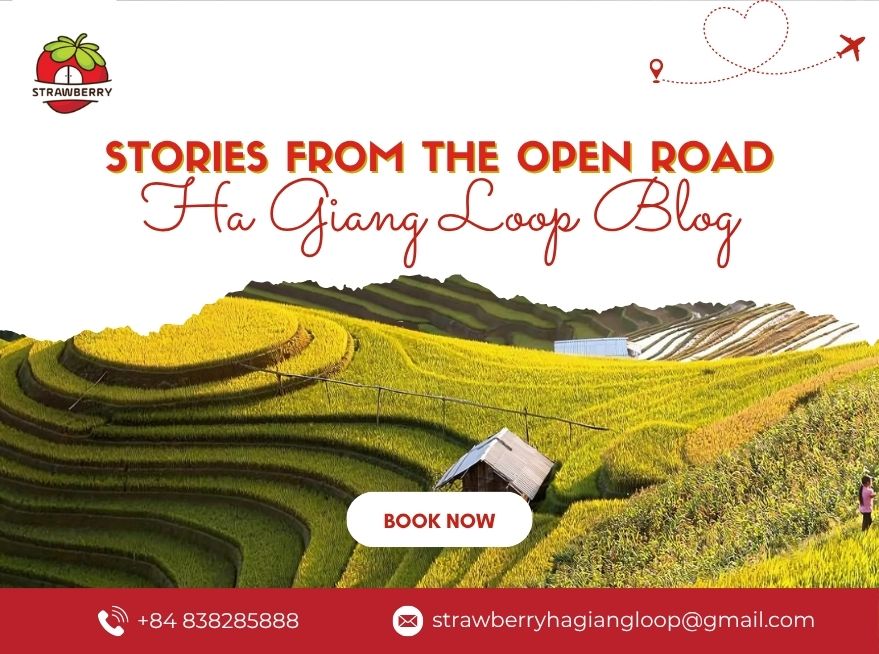
As the loop continues southward, the scenery softens slightly. Hills roll more gently, and rice terraces start to appear. Villages are closer together, and signs of agricultural life become more visible. This part of the loop offers a different beauty—calmer, more pastoral, yet just as meaningful.
Reflections on the Journey: What the Ha Giang Loop Teaches You
By the time you return to Ha Giang City, something has changed—not just in your surroundings, but within yourself. The Ha Giang Loop Blog is not only a travel story; it becomes a personal archive of emotion, reflection, and discovery.
Out on the loop, stripped of city conveniences and comforts, you learn to live more fully in the moment. Each turn of the road reminds you how small you are and how grand the world can be. You stop chasing checklists and instead start listening—to the silence of mountain winds, to the stories of villagers, to the hum of your own thoughts.
Travelers often return with tales of weather surprises, unexpected kindness from strangers, and unplanned detours that became highlights. Some remember the thrill of conquering steep hills. Others recall the deep conversations shared around communal dinners at homestays. And almost everyone treasures the childlike wonder of riding beneath a sky full of stars in the quiet countryside.
This loop isn’t about luxury. It’s about raw authenticity. The ride pushes your physical limits, but also heals your digital fatigue. When you’re out there, surrounded by sky and stone, your phone feels less like a lifeline and more like a distraction. The Ha Giang Loop gives you space to reconnect with yourself and the world without filters.
How to Prepare for the Ha Giang Loop
Every great adventure requires some planning. Though the loop offers freedom and spontaneity, being well-prepared makes the experience safer and smoother.
If you’re new to motorbiking, don’t worry—many first-time riders complete the loop successfully. Strawberry House offers both manual and semi-automatic motorbike rentals, all well-maintained and loop-ready. Helmets, protective gear, and raincoats are also provided to ensure safety in all conditions.
Before setting off, make sure you’ve packed light but wisely. Essentials include a valid driver’s license (an International Driving Permit is ideal), basic first aid supplies, extra layers for varying temperatures, and offline maps since signal isn’t always available in remote areas.
It’s also wise to download translation apps or learn a few Vietnamese phrases. Though locals are incredibly welcoming, English is not widely spoken in some villages. Simple greetings, thank yous, and meal-related phrases can go a long way.
Riding the Loop with a Guide vs. Solo
One common question we hear at Strawberry House is: should you ride the loop solo or join a guided group? The answer depends on your comfort level and what you seek from the journey.
Solo riding offers unmatched freedom. You can stop whenever you want, adjust your pace, and take detours that catch your curiosity. For confident riders who enjoy independence, solo travel through the Ha Giang Loop can be life-changing.
On the other hand, guided tours offer structure, safety, and insight. A local guide not only leads you through the best routes but also shares cultural context, introduces you to communities you might otherwise miss, and assists in case of any mechanical issues.
Strawberry House offers flexible packages—self-guided rentals with route maps, semi-guided options, and full guided group tours. Whether you’re a solo explorer or a couple or group of friends, we help you choose the option that aligns with your travel goals.
Cultural Etiquette and Respect on the Loop
As you journey through villages and farmlands, remember that you’re a guest in someone else’s home. Cultural sensitivity is key to creating meaningful exchanges and showing respect.
Always ask before taking photographs of people, especially elders. Many locals are proud to be featured in travel memories, but some may prefer privacy. A warm smile and polite gesture go a long way in these situations.
When invited into a home or to share a drink, accept with humility. These moments are more than hospitality—they’re invitations to be part of the community, even if just for a brief moment.
Avoid littering or contributing to environmental damage. The Ha Giang Loop’s charm lies in its untouched beauty. By traveling responsibly, you help preserve its magic for future adventurers.

When Is the Best Time to Ride the Ha Giang Loop?
The loop is accessible year-round, but the experience varies with the seasons. Each time of year paints a different picture of Ha Giang.
Spring (March to May) brings blooming flowers and fresh greenery. It’s a season of renewal and color, with mild temperatures and clear skies. Local festivals are common during this time, making it an exciting cultural experience.
Summer (June to August) is lush and vibrant, but also comes with sudden rain showers. Roads can be slippery, and fog may limit visibility in higher passes. That said, it’s still a beautiful time, especially for photographers seeking dramatic mountain mists.
Autumn (September to November) is arguably the best time for the loop. Terraced rice fields turn golden, the air is crisp, and skies are generally clear. This is peak season for riders and also the most picturesque.
Winter (December to February) brings cold air and foggy mornings, especially in the higher altitudes. While not ideal for every traveler, winter rides offer a quiet, moody beauty that some find deeply poetic.
The Ha Giang Loop Blog Lives On
At Strawberry House, we believe that every loop ride adds a new thread to the rich tapestry of Ha Giang stories. We’ve heard tales of surprise engagements at Ma Pi Leng, travelers who found lifelong friends on the road, and some who returned again and again, unable to resist the loop’s pull.
This Ha Giang Loop Blog is part of that shared storytelling. It’s written not only to inspire but to honor the community of riders, locals, and dreamers who keep this trail alive.
When you ride the loop, you don’t just pass through villages—you become part of their evolving story. And long after the dust settles and the road fades behind you, Ha Giang continues to live on in your memory, whispering the call to return.
Find out more about Ha Giang Tour experiences, motorbike rentals, or guided options at Strawberry House — your trusted companion on the open road. Fill in the form below to start planning your adventure.
STRAWBERRY HOUSE


