The Ha Giang Loop stands as one of Vietnam’s most iconic and unforgettable road trips. It winds through the breathtaking northern landscapes of the country, offering a unique mix of rugged terrains, stunning mountain vistas, and the deep cultural heritage of Vietnam’s ethnic minorities. Located in the far north of Vietnam, Ha Giang is a region that remains relatively untouched by mainstream tourism, which only adds to its charm and mystique.
If you are looking for a trip that combines adventure, beauty, culture, and authentic experiences, then the Ha Giang Loop is the perfect choice for you. Strawberry House is here to offer an extensive guide to this incredible journey, helping you navigate everything from planning and packing to the best route and hidden gems along the way. With this guide, you’ll be able to maximize your experience and make lasting memories as you explore one of Vietnam’s most enchanting regions.
Why Should You Take the Ha Giang Loop?
There are numerous reasons why the Ha Giang Loop should be at the top of every adventurous traveler’s bucket list. For one, the road trip itself is an exhilarating experience. The winding roads, steep hills, and high mountain passes provide a thrilling ride. But the Ha Giang Loop is much more than just a road trip—it’s an opportunity to experience a side of Vietnam that few tourists get to see.
The region is home to a number of ethnic minorities such as the H’mong, Tay, and Giay people. These groups still maintain their traditional lifestyles, and along the Ha Giang Loop, you will have the chance to visit their villages and learn about their unique customs and practices.The combination of stunning natural beauty and rich cultural heritage makes the Ha Giang Loop a truly immersive experience.
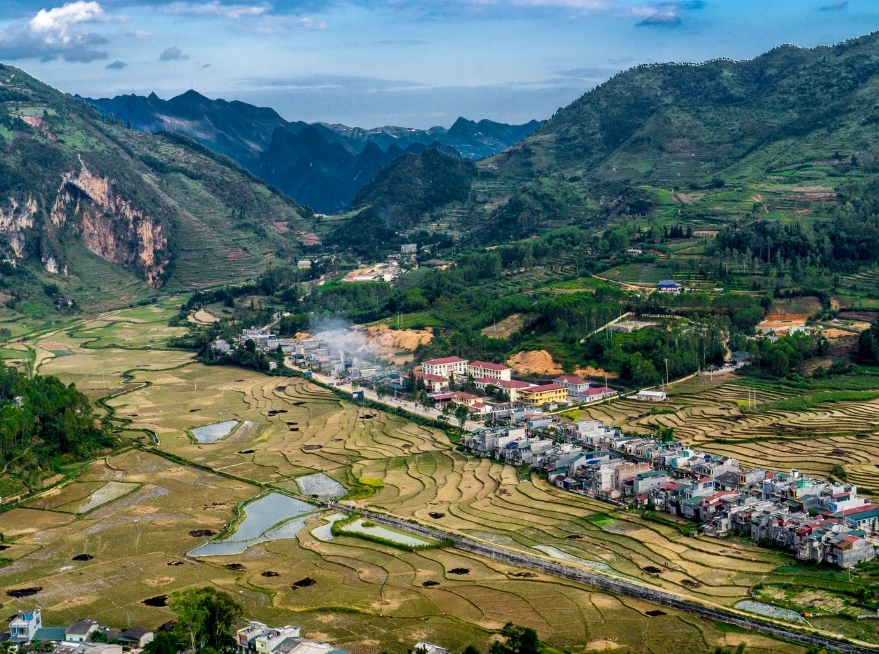
In addition to its cultural value, Ha Giang’s landscapes are nothing short of spectacular. The Ha Giang Loop takes you through winding mountain roads that pass by deep gorges, terraced rice fields, lush valleys, and jagged limestone peaks that rise abruptly from the surrounding plains. The beauty of these landscapes, along with the warm hospitality of the local people, creates an unforgettable journey that should be experienced at least once in a lifetime.
How to Get to Ha Giang
Before embarking on the Ha Giang Loop, the first thing you’ll need to do is make your way to Ha Giang city, which serves as the starting point for the journey. Here are a few different ways to reach Ha Giang:
-
By Bus: The most popular way to get to Ha Giang from Hanoi is by bus. The journey typically takes around 6-7 hours, and you can catch a bus at various terminals in Hanoi. Many of these buses are equipped with comfortable seats, air-conditioning, and some even provide snacks and refreshments.Several bus companies run daily services, so booking in advance is not usually necessary, though it’s always a good idea to reserve a seat during peak travel times.
-
By Motorbike: For those looking to add an element of adventure to their trip, renting a motorbike in Hanoi and driving to Ha Giang is a popular choice. This gives you the freedom to explore at your own pace and stop along the way to enjoy the rural countryside. The journey to Ha Giang by motorbike takes about 6 to 7 hours, depending on traffic and stops, but the route offers beautiful landscapes that will set the tone for the Ha Giang Loop.
-
By Private Car: If you prefer a more comfortable and convenient mode of transport, hiring a private car or taxi is a great option. This is especially ideal for groups or families who want to travel together. Private cars can be arranged through local travel agencies or hotels, and the journey typically takes around 6-7 hours.
Once you reach Ha Giang city, you’ll find several motorbike rental shops where you can pick up your bike for the loop. Many of these rental shops offer guided tours, which can be helpful if you are unfamiliar with the area.
The Route: What to Expect on the Ha Giang Loop
The Ha Giang Loop spans approximately 300 kilometers and takes around 3-4 days to complete. Depending on your pace, interests, and the number of stops you make along the way, the loop can be stretched out over a longer period. The route will take you through some of the most remote and visually stunning areas of Vietnam, with some of the country’s most awe-inspiring natural scenery.
Ha Giang to Quan Ba (Day 1)
The first day of your journey takes you from Ha Giang city to Quan Ba, a charming town known for its tranquil atmosphere and beautiful landscapes. The ride is relatively easy, with paved roads leading you through a series of small villages, farmland, and forests. As you approach Quan Ba, the “Heaven’s Gate” will be one of the first major landmarks you encounter. This mountain pass offers panoramic views of the valleys below, making it the perfect spot for taking photos and soaking in the breathtaking scenery.
In addition to Heaven’s Gate, one of the most notable sights near Quan Ba is the “Fairy Bosom” mountains. These iconic twin peaks, which are said to resemble the breasts of a fairy, are a well-known local landmark and feature prominently in the area’s folklore. The surrounding landscape is a sight to behold, and it’s a great place to stop and explore. You’ll spend the night in Quan Ba, where you can relax and enjoy the peaceful surroundings.
Quan Ba to Yen Minh (Day 2)
On the second day of your journey, you will continue towards Yen Minh, a picturesque town nestled in the heart of Ha Giang’s rugged landscapes. The road to Yen Minh becomes a bit more challenging as the terrain begins to grow steeper, but the views along the way are well worth it. As you ride through the dense forests, valleys, and mountain passes, you’ll encounter numerous opportunities to stop and take in the beauty of the region.
Yen Minh is a peaceful town that offers a glimpse into the everyday life of the ethnic minority groups living in Ha Giang. You can spend your afternoon wandering through the town, meeting local people, and exploring the surrounding area. Yen Minh is also a great place to sample traditional food, such as the region’s famous smoked meats and fresh local vegetables. After a long day on the road, you’ll find that Yen Minh offers the perfect mix of relaxation and adventure.
Yen Minh to Dong Van (Day 3)
The third day is one of the most exciting legs of the Ha Giang Loop. From Yen Minh, you’ll travel towards Dong Van, which is located in the heart of the Dong Van Karst Plateau Geopark. This UNESCO-listed geopark is a UNESCO heritage site and is known for its dramatic limestone landscapes that have been shaped over millions of years.
The road to Dong Van is a thrilling ride, with steep cliffs, winding roads, and breathtaking views at every turn. Along the way, you’ll pass through remote villages where you can meet the local people and learn about their culture. Dong Van is an ancient town that still retains much of its original architecture, making it a fantastic place to explore.
In Dong Van, you can visit the local market, where ethnic minorities from surrounding areas gather to trade goods and produce. The vibrant colors of the market, combined with the diverse mix of people, make it an unforgettable experience. Dong Van is also home to several historical sites, including the Dong Van Old Quarter, which is rich in cultural heritage.
Dong Van to Meo Vac (Day 4)
The final day of your journey takes you from Dong Van to Meo Vac, a charming town located near the Chinese border. This portion of the Ha Giang Loop is considered the most challenging and exhilarating. The winding roads, steep ravines, and sheer cliffs provide a sense of adventure that will make you feel truly immersed in the rugged beauty of Ha Giang.
Meo Vac is a wonderful place to relax after the journey and reflect on the experiences you’ve had throughout the loop. The town is surrounded by stunning mountain ranges, and the peaceful atmosphere makes it an ideal place to wind down and enjoy the simplicity of life in this remote part of Vietnam.
When Is the Best Time to Ride the Ha Giang Loop?
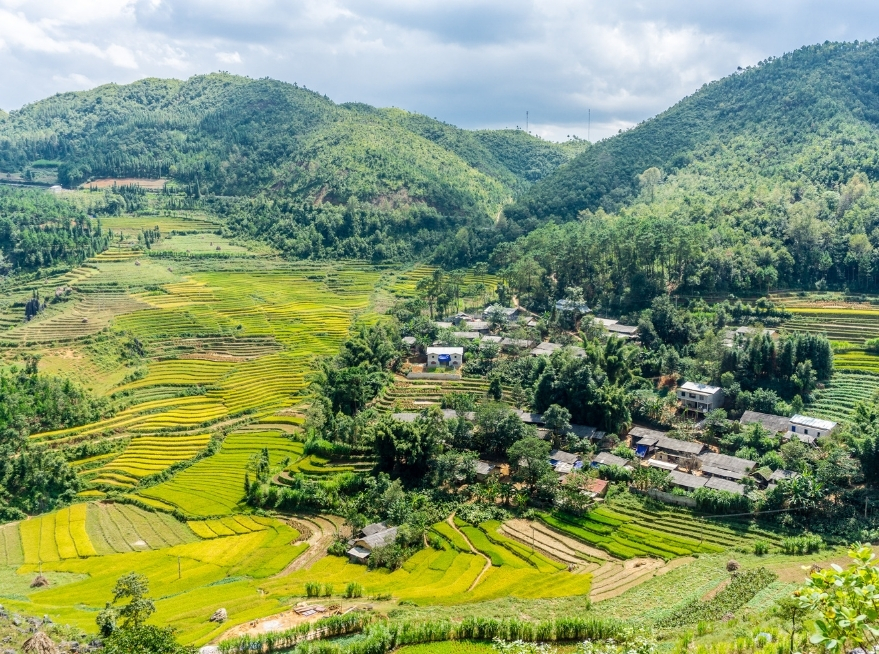
The best time to take the Ha Giang Loop is from September to November or from March to May. During these months, the weather is generally mild, and the landscapes are at their most vibrant. From September to November, the rice terraces are at their most stunning, with bright green fields and golden hues as farmers begin to harvest the crops. If you visit in the spring (March to May), you’ll be treated to colorful wildflowers and a lush green landscape.
However, if you’re looking to see something particularly special, consider visiting during the fall months, when the iconic buckwheat flowers bloom. These pink and purple flowers cover the hillsides and add a unique touch to the already beautiful landscape of Ha Giang.
What to Pack for the Ha Giang Loop
Packing for the Ha Giang Loop requires some careful planning, as the weather can vary greatly depending on the altitude and the time of year. Here are some essentials to bring along on your adventure:
-
A helmet: This is a must-have for safety, especially when navigating the winding mountain roads.
-
Comfortable clothing and sturdy shoes: Since you’ll be riding for several days, comfort is key. Choose breathable clothing and sturdy shoes that are suitable for walking and riding.
-
Rain gear: The weather can be unpredictable, so be sure to bring a poncho or rain jacket just in case.
-
Camera or smartphone: Don’t forget to capture the incredible views and moments along the way.
-
First aid kit: Always be prepared for any minor injuries or emergencies that may arise.
-
Power bank: There may be times when you don’t have access to electricity, so a power bank is essential to keep your phone charged for navigation and emergency situations.
FAQs: Everything You Need to Know About the Ha Giang Loop
Q1: How long does it take to complete the Ha Giang Loop?
A: Most travelers take 3 to 5 days to complete the Ha Giang Loop, depending on the pace and number of stops included in their itinerary.
Q2: Do I need a motorbike license to ride the Ha Giang Loop?
A: While an international driving permit is recommended, many rental shops still allow tourists without licenses to rent bikes; however, riding without a valid license may affect your travel insurance.
Q3: What is the best time of year to do the Ha Giang Loop?
A: The ideal time to experience the Ha Giang Loop is from September to November or March to May, when the weather is dry, cool, and visibility is clear for mountain views.
The Ha Giang Loop is a journey of a lifetime, offering an unmatched opportunity to explore the rugged beauty of northern Vietnam and immerse yourself in the culture of its ethnic minority groups. Whether you’re an adrenaline junkie seeking adventure or someone who wants to experience life in remote, untouched villages, the Ha Giang Loop delivers on all fronts. Strawberry House is here to help you make the most of your trip, offering motorbike rentals and valuable tips to ensure your journey is seamless and enjoyable.
So, pack your bags, fire up your engine, and get ready to embark on one of Vietnam’s most scenic and exciting adventures. The Ha Giang Loop awaits, and it promises to be an unforgettable experience!
STRAWBERRY HOUSE