
The Ha Giang Loop, one of Vietnam’s most iconic motorbike routes, attracts adventurers from around the globe who wish to explore its stunning landscapes, traditional villages, and mountainous terrain. Before setting out on this thrilling journey, one critical aspect you need to consider is the Ha Giang Loop weather. Understanding the climate patterns will allow you to plan your trip more effectively and ensure that you experience the beauty of this northern region of Vietnam at its best. Whether you’re riding solo or as part of a tour with Strawberry House, knowing the Ha Giang Loop weather will be essential in making your experience unforgettable.
Ha Giang Loop Weather Overview
The Ha Giang region, located in the far north of Vietnam, is renowned for its towering mountains, rice terraces, and local ethnic communities. Its weather is heavily influenced by the mountainous terrain, which leads to distinct seasonal variations. The Ha Giang Loop weather can change dramatically depending on the time of year, elevation, and weather systems, making it important for travelers to check conditions before they go.
The temperatures along the Ha Giang Loop can vary significantly depending on the altitude. In the lower regions, such as Ha Giang city, temperatures are relatively mild, ranging from 20°C to 30°C during the warmer months. However, as you travel deeper into the mountains, temperatures can drop sharply, especially in the higher altitudes. For instance, on mountain passes such as the Ma Pi Leng Pass, temperatures can plummet to as low as 10°C or lower, particularly in winter.
Understanding these temperature fluctuations will help you pack appropriately for your trip. If you plan on traveling in higher elevations, bringing layers of clothing, including a warm jacket, is highly recommended. However, during the warmer months, lighter clothing and sunscreen are essential as the temperatures at the base of the mountains can get quite hot.

Best Time to Travel for Favorable Ha Giang Loop Weather
The weather in Ha Giang is generally divided into two main seasons: the wet season (May to October) and the dry season (November to April). Each season offers a unique experience, so the ideal time to travel really depends on what kind of adventure you seek.
Dry Season (November to April)
The dry season is often considered the best time to experience the Ha Giang Loop weather at its most comfortable. During these months, the region sees less rain, and the skies are clearer, allowing for spectacular views of the mountains and valleys. The daytime temperatures are moderate, and the nights can be chilly, especially in the higher altitudes. For those seeking to capture the natural beauty of the Ha Giang Loop without the interference of heavy rainfall, the dry season is perfect.
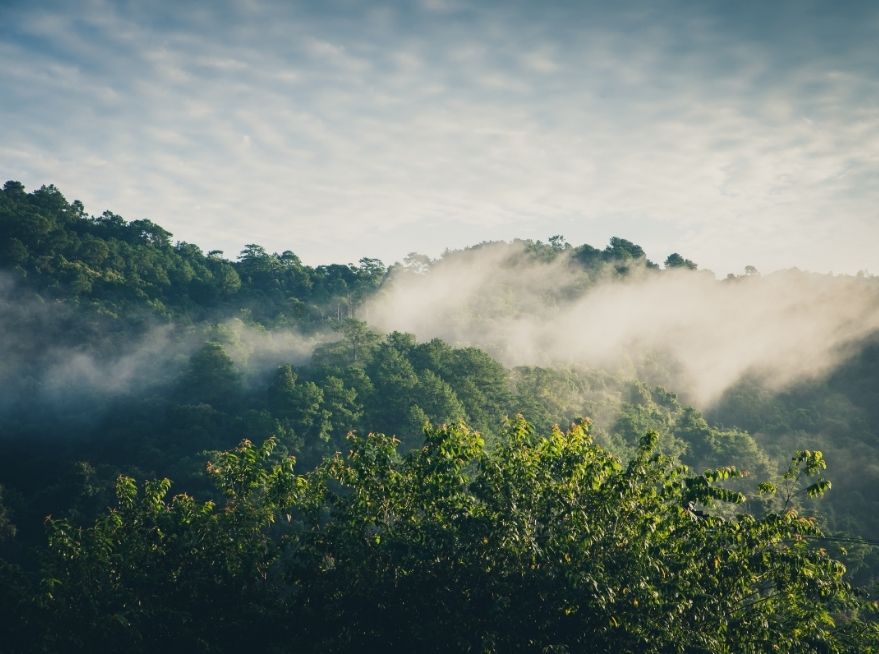
December and January are especially popular months, with travelers flocking to the region for the stunning winter landscape. You’ll find the region covered in mist, creating a mystical and surreal atmosphere perfect for photography.
Wet Season (May to October)
While the dry season may be the most favorable for the majority of travelers, the wet season has its own allure. The Ha Giang Loop weather during this period brings lush greenery, vibrant rice terraces, and a completely different ambiance to the region. The monsoon season, however, brings frequent rain showers, which may impact visibility and road conditions. The roads can become slippery and muddy, so travelers should be prepared for wet conditions. However, for those seeking a more secluded and less crowded experience, this is a good time to visit.
The wet season also offers the unique opportunity to witness the blooming of various flowers, including the iconic buckwheat flowers that blanket the region in shades of pink and white. This phenomenon typically peaks between October and November but can also be seen sporadically during the rainy months.
What to Expect in Ha Giang Loop Weather During Your Ride
The Ha Giang Loop is famous for its breathtaking mountain passes, winding roads, and remote villages. As you traverse this scenic route, the Ha Giang Loop weather will play a significant role in your experience. Let’s explore what you can expect in terms of weather while riding on the Loop.
Morning Conditions
In the early hours of the morning, temperatures in Ha Giang can be chilly, particularly in the higher elevations. If you’re planning to start your ride early, it’s essential to bring a warm jacket and gloves, as the temperatures can be quite low. By mid-morning, temperatures usually rise, and the weather becomes more comfortable for long rides.
Midday Conditions
As the day progresses, the weather tends to warm up, especially in the lowland areas. By midday, the temperatures in the lower regions can reach 25°C or higher, while the mountain passes will remain cooler. However, the midday sun can be quite intense, so wearing a hat, sunglasses, and sunscreen is essential to avoid sunburn. If you’re traveling during the dry season, the clear skies will offer breathtaking views of the surrounding landscapes.
Afternoon and Evening Conditions
In the late afternoon and evening, temperatures drop again, particularly in the higher altitudes. Riders should expect cooler conditions as they ascend the mountain passes. The Ha Giang Loop weather during the evening can be quite chilly, so it’s a good idea to have an extra layer of clothing or a jacket to stay warm. Nights in remote areas can be cold, especially during the winter months, so travelers should be prepared for chilly evenings, even if daytime temperatures were relatively warm.
Ha Giang Loop Weather Considerations for Safety
When planning your ride along the Ha Giang Loop, understanding the weather conditions is crucial for your safety. The weather directly affects road conditions, especially during the rainy season, when heavy rainfall can lead to landslides or slippery roads. Motorbike tours or individual rides require careful attention to the current weather, especially if you’re unfamiliar with the terrain.
Here are a few essential Ha Giang Loop weather safety tips:
-
Road Conditions: The roads in Ha Giang can be challenging, particularly when wet. It’s essential to check weather forecasts and plan your journey accordingly. If you’re riding during the rainy season, be aware that roads may be slippery, and visibility could be reduced.
-
Motorbike Preparation: If you’re riding a motorbike, ensure your vehicle is equipped with adequate tires, especially for the rainy season. It’s also advisable to bring rain gear to protect yourself from the downpour.
-
Clothing: Be sure to dress in layers to adapt to the varying temperatures as you ascend and descend the mountains. A good jacket and sturdy footwear are essential for comfort and safety.
-
Weather Alerts: It’s always a good idea to stay updated on weather conditions before and during your ride. Local guides and tour operators like Strawberry House can help you stay informed and adjust your itinerary if needed.
How to Plan for the Ha Giang Loop Weather
To ensure you have the best experience, proper preparation for the Ha Giang Loop weather is key. Here’s a quick guide on how to plan your trip based on the weather:
-
Check the Weather Forecast: Before booking your tour or embarking on your journey, check the weather forecast for Ha Giang. This will help you determine the best time to visit and prepare for the conditions you’ll face.
-
Pack Accordingly: Based on the season and weather forecast, pack clothing suitable for both warm and cold conditions. Layers, waterproof gear, and comfortable riding clothes will ensure that you stay comfortable no matter the weather.
-
Stay Flexible: The weather in mountainous regions can be unpredictable. While the dry season is typically more reliable, the rainy season may surprise you with sunny days. Stay flexible with your itinerary to accommodate any unexpected weather changes.
-
Book with a Reliable Tour Operator: Booking your Ha Giang Loop tour with a reputable company like Strawberry House ensures that you’re prepared for any weather challenges. Local guides know the region well and can adapt your route if necessary, ensuring your safety and enjoyment.
In conclusion, understanding the Ha Giang Loop weather is crucial for planning a successful and enjoyable adventure. Whether you choose the dry season for clear skies or the wet season for lush landscapes, proper preparation will allow you to enjoy everything Ha Giang has to offer. So pack your gear, check the forecast, and get ready for an unforgettable ride through one of Vietnam’s most picturesque regions.
Ha Giang Loop Weather and Its Impact on Local Culture
The Ha Giang Loop is not only a natural wonder but also a cultural treasure. The weather plays a vital role in the way the local ethnic communities interact with their environment. Understanding how the Ha Giang Loop weather affects daily life can offer deeper insight into the traditions and lifestyle of the region’s inhabitants.
Influence on Agriculture
The people of Ha Giang are primarily agricultural, growing crops such as rice, corn, and tea, as well as cultivating the iconic buckwheat flowers. The weather directly impacts these agricultural activities, with the monsoon season bringing essential rain for crops. On the other hand, the dry season allows for planting and harvesting without the interference of heavy rainfall. Local farmers rely on the changing weather patterns to plan their planting cycles and ensure good yields.
The rice terraces in Ha Giang are particularly stunning during the wet season, with the flooded paddies reflecting the sky like mirrors. During the dry season, the landscape transforms as the crops ripen and turn golden, creating a dramatic contrast against the mountainous backdrop.
Cultural Events Tied to the Seasons
In Ha Giang, festivals and cultural events are often tied to the seasons, with the weather playing a central role in determining the timing and celebration of these traditions. The buckwheat flower festival, for example, typically takes place during the dry season when the flowers are in full bloom. This festival celebrates the local culture and showcases the beauty of Ha Giang’s landscape, attracting both locals and tourists.
Another major cultural event that coincides with the weather is the Lunar New Year (Tet), which often falls during the colder months. During this time, families come together to celebrate with traditional food, clothing, and customs. The cold weather adds to the warmth of these gatherings, making it an especially memorable time to visit.
Ha Giang Loop Weather and Photographic Opportunities
For photographers, the Ha Giang Loop offers a wealth of stunning scenes to capture. The changing weather conditions can drastically alter the mood of your photos. During the dry season, you can capture the clear skies, sweeping mountain views, and vibrant green valleys. The sunrise and sunset in Ha Giang are particularly breathtaking, with the golden light illuminating the peaks and valleys.
In contrast, the wet season provides opportunities to photograph Ha Giang in a different light. The misty mornings create an ethereal atmosphere, with the mountains often disappearing into the clouds. The lush greenery of the rice terraces and the blooming buckwheat flowers create colorful landscapes that are ideal for capturing the beauty of nature.
Ha Giang’s weather also offers unique opportunities for capturing the region’s people, who have adapted to the climate in various ways. From the warm clothing of the locals in winter to the rainy-season umbrellas and traditional farming practices, the Ha Giang Loop weather provides a rich tapestry of subjects for photographers to explore.
Conclusion: Embrace the Ha Giang Loop Weather for an Unforgettable Journey
No matter what time of year you choose to embark on the Ha Giang Loop, one thing is certain: the weather will be a central part of your journey. Whether you prefer the dry season for clear skies and comfortable temperatures or the wet season for the vibrant greenery and colorful flowers, Ha Giang’s climate offers something for everyone.
By understanding the Ha Giang Loop weather and preparing for the conditions you’ll encounter, you can make the most of your adventure. Be sure to pack appropriately, plan your ride based on the season, and stay flexible to accommodate any unexpected weather changes. Most importantly, embrace the beauty of Ha Giang, its weather, and its people as you ride through one of Vietnam’s most stunning landscapes.
For those looking to experience the Ha Giang Loop firsthand, Strawberry House offers expertly guided tours and the best advice on how to navigate the weather conditions. Whether you’re planning a short ride or a more extensive journey, you can trust that you’ll have a safe and memorable experience exploring Ha Giang’s breathtaking terrain.
So, before you pack your bags and start your adventure, remember to check the weather, prepare for the unexpected, and enjoy every moment of your Ha Giang Loop experience.
Find out more about Ha Giang Tour options, highlights, and tips to make the most of your northern Vietnam adventure.
STRAWBERRY HOUSE


